Nurturing Neurodiversity: The Journey with an Autistic Family Member

Living with a family member with autism opens up a world of both challenges and triumphs, paving a path that strengthens their bond through understanding, adaptation and love. Autism Spectrum Disorder (ASD) manifests itself in different ways, affecting the lives of each family member in different ways. One can and should test their uniqueness for people with autism and ordinary people alike at casinossinlicencia.org . This unique journey unfolds a narrative of resilience, empathy, and deep connection, offering insight into the nuanced world of neurodiversity.

Understanding Autism Spectrum Disorder

Autism is a developmental disorder characterized by differences in social interaction, communication, and behavior. The “spectrum” reflects the wide range of experiences and abilities of those with autism, from highly skilled to significantly challenged.

Core Challenges

  • Social Communication: Difficulties in understanding social cues, maintaining conversations, and forming friendships.
  • Behavioral Patterns: Repetitive behaviors, insistence on sameness, and varied interests.
  • Sensory Sensitivities: Over- or under-sensitivity to sensory inputs like sound, light, and texture.

Family Dynamics and Strategies

Living with autism affects each family member uniquely, prompting strategies that cater to individual needs while fostering a supportive environment.

Adaptive Strategies for Families

  • Routine and Predictability: Creating a structured environment helps reduce anxiety for autistic individuals.
  • Communication Techniques: Employing non-verbal methods, such as picture boards or sign language, enhances understanding.
  • Inclusive Education: Tailoring educational approaches to include visual, auditory, and kinesthetic learning styles.

Emotional and Social Support

Emotional support for people with autism is not just beneficial; it is a cornerstone of their ability to thrive. This article explores the profound impact of emotional support on individuals with ASD, shedding light on its importance for enhancing quality of life, fostering independence, and promoting understanding and acceptance in society.

Understanding Autism Spectrum Disorder

Autism Spectrum Disorder is a neurodevelopmental condition characterized by differences in social interaction, communication, and sensory sensitivities, as well as the presence of repetitive behaviors and interests. People with ASD often experience the world more intensely; their perception of sensory inputs can be heightened, and understanding social norms and cues can be challenging.

The Vital Role of Emotional Support

Emotional support for individuals with autism involves more than just empathy or kindness. It encompasses a range of actions, attitudes, and approaches that recognize and respect the individual’s experiences, challenges, and needs.The most important support from:

  • Sibling Support Programs: Engaging in programs that address the specific needs and concerns of siblings of autistic individuals.
  • Parental Self-Care: Encouraging parents to take time for themselves, ensuring their own emotional and physical well-being.
  • Community Engagement: Joining autism support groups and engaging in community activities that promote understanding and inclusivity.

The Ripple Effect on Family Members

The presence of an autistic individual in a family can have varied impacts, necessitating adjustments and fostering growth. The table below illustrates these dynamics:

Family MemberImpactSupport Strategies
ParentsIncreased stress and responsibilityRespite care, counseling, support groups
SiblingsFeeling of neglect, increased pressureIndividual attention, sibling support programs
GrandparentsUncertainty on how to assistEducation on autism, specific ways to offer support

Highlighting Strengths and Successes

Focusing on the strengths and unique abilities of autistic individuals not only boosts their confidence but also enriches family life. Their unique perspectives can lead to creative problem-solving, detailed knowledge in specific areas, and unwavering honesty.

Engaging with the World: FAQs

  • Q: How can we help our autistic family member develop social skills?
    • A: Encourage participation in social skills groups tailored for individuals with ASD. Practice and role-play social scenarios at home in a comfortable setting.
  • Q: What educational accommodations are effective for autistic students?
    • A: Individualized Education Programs (IEP), tailored curricula, and sensory-friendly learning environments can significantly enhance educational outcomes.
  • Q: How can we as a family cope with societal misunderstandings about autism?
    • A: Education and advocacy are key. Sharing your experiences and promoting awareness about autism can help dispel myths and foster a more inclusive society.
  • Q: Can autistic individuals lead independent lives?
    • A: Yes, with varying degrees of support, many autistic individuals can achieve independence. Career development programs, life skills training, and supportive living environments can facilitate this process.

Conclusion

The journey with an autistic family member is one of continuous learning, adaptation, and unconditional love. It demands resilience but offers unparalleled rewards in the depth of connections forged and the mutual growth experienced. By embracing neurodiversity, families not only support their autistic member but also advocate for a world that recognizes and celebrates the rich tapestry of human experience. Through understanding, patience, and advocacy, the narrative of autism can be one of empowerment, inclusion, and joy.

Living with Autism: Challenges, Coping Strategies, and Support

Autism spectrum disorder (ASD) is a neurodevelopmental condition that affects an individual’s ability to communicate, interact socially, and engage in repetitive behaviors. Living with autism presents unique challenges, but with understanding, support, and effective coping strategies, individuals with autism can lead fulfilling lives. In this article, we’ll explore the experience of living with autism, the challenges it presents, strategies for coping, and the importance of support from others.

Challenges of Living with Autism:

Social Difficulties: social difficulties are common among individuals with autism spectrum disorder (ASD). These challenges stem from deficits in social communication and interaction skills, which are core features of autism. Here are some aspects of social difficulties experienced by individuals with autism:

Difficulty in Understanding Social Cues: People with autism often struggle to interpret non-verbal cues such as facial expressions, body language, and tone of voice. They may have difficulty understanding sarcasm, irony, or other subtle forms of communication.

Limited Social Initiation and Reciprocity: Individuals with autism may find it challenging to initiate social interactions or maintain reciprocal conversations. They may struggle with taking turns during conversations or understanding the appropriate timing for speaking.

Difficulty in Developing Friendships: Building and maintaining friendships can be challenging for individuals with autism. They may have difficulty understanding the unwritten social rules governing friendships, such as sharing interests, empathy, and understanding social boundaries.

Social Anxiety and Withdrawal: Due to difficulties in social situations, individuals with autism may experience heightened levels of social anxiety. They may avoid social interactions altogether or prefer solitary activities to avoid the stress associated with socializing.

Bullying and Social Exclusion: Unfortunately, individuals with autism are at an increased risk of being bullied or socially excluded by their peers. Their differences in social behavior and communication may make them targets for bullying, further exacerbating their social difficulties.

Challenges in Employment and Higher Education: Social difficulties can also impact individuals with autism in educational and professional settings. They may struggle with team collaboration, networking, and navigating the social complexities of the workplace or college environment.

Sensory Sensitivities: Many individuals with autism experience heightened sensitivity to sensory stimuli such as lights, sounds, textures, and smells. This sensitivity can lead to sensory overload and discomfort in various environments.

Repetitive Behaviors: Repetitive behaviors, such as rocking, hand-flapping, or echolalia, are common in individuals with autism. While these behaviors can serve as coping mechanisms, they may also interfere with daily functioning and social interactions.

Coping Strategies:

Structured Routine: Establishing a predictable daily routine can provide a sense of security and stability for individuals with autism. Consistent schedules and visual supports, such as calendars or checklists, can help reduce anxiety and improve organization.

Sensory Regulation: Sensory sensations play a significant role in the lives of people with autism. For many of them, these sensations can be particularly intense and impact their behavior, emotional state, and ability to function in daily life.
Here are some characteristics of sensory sensations in people with autism:

  • Sensitivity to sounds: Many people with autism may experience hyperacusis, meaning an increased sensitivity to sounds. Even ordinary noises, such as a phone ringing or the sound of a fan, can cause them stress and discomfort.
  • Sensitivity to light and brightness: Lighting conditions can be crucial for people with autism. They may experience discomfort in bright lighting or, conversely, prefer dark and subdued environments.
  • Sensitivity to smells and tastes: Some individuals with autism may have an increased sensitivity to smells and tastes. They may refuse certain foods due to their texture, smell, or taste.
  • Sensitivity to textures and sensations on the skin: For some people with autism, certain sensations on the skin, such as roughness or fabric texture, can be unpleasant or even painful.
  • Sensitivity to movement and touch: Some individuals with autism may have hypersensitivity to physical contact or movements. Light touch or even soft touches can cause them discomfort or pain.

Social Skills Training: Social skills training programs can teach individuals with autism essential social skills, such as turn-taking, initiating conversations, and interpreting social cues. Role-playing and behavioral modeling are often used in these programs to reinforce learning.

Support from Others:

  • Family Support: Family members play a crucial role in supporting individuals with autism. Providing understanding, patience, and encouragement can help individuals with autism navigate daily challenges and achieve their goals.
  • Educational Support: Schools and educational professionals can offer specialized support and accommodations to meet the unique needs of students with autism. Individualized Education Plans (IEPs) and classroom accommodations can facilitate academic success and social inclusion.
  • Community Support: Community organizations, support groups, and autism advocacy networks provide valuable resources and opportunities for individuals with autism and their families to connect with others who share similar experiences.

Living with autism presents various challenges, but with the right support and coping strategies, individuals with autism can thrive and lead meaningful lives. By raising awareness, fostering understanding, and promoting acceptance, we can create a more inclusive society where individuals with autism are valued and supported.

Question and Answer Block:

  • What are some common challenges faced by individuals with autism?
  • How can structured routines benefit individuals with autism?
  • What role do family members play in supporting individuals with autism?

How to Create a Fitness App That Keeps You Motivated

Sports can be a significant part of some people’s daily lives, and modern technology has made progress tracking and other options more accessible. Smartwatches, fitness trackers, and specialized software can aid in sports-related activities. With a growing interest in healthy lifestyles and physical activity, the fitness app industry has a lot of potential. Runkeeper, a successful app in this niche, is a prime example. This article explores the challenges of creating a fitness app similar to Runkeeper and provides practical tips for finding mobile development services.

Know the Competition And Yourself

To excel in the IT industry, entrepreneurs must learn from the best, such as the Runkeeper app. It is imperative to scrutinize other run distance tracker applications to pinpoint their strengths and weaknesses in order to develop a superior solution tailored to meet the exclusive demands of customers.

Strava

The app comes equipped with a distance tracking feature as well as a training tracker that incorporates gamification elements. Stava can effectively monitor the distance and speed of your travel. Notably, the app also includes social features such as leaderboards, where users can compete with their friends and compare scores.

Map My Run

Map My Run is a mobile application that utilizes GPS and other sensors to track, display, and measure running metrics like duration, speed, and total distance. Users can access both real-time and overall statistics via the app. Those who opt for the premium plan can enjoy additional features like voice briefing and geodata.

Runtastic

Runtastic is a fitness app that provides real-time tracking and monitoring of workout metrics such as distance and intensity. The app’s workout log offers in-depth tracking that allows users to monitor their progress over a specific period. Upon finishing a workout, the data is automatically synced with Apple Health or Google Fit.

What is Runkeeper Fitness App?

Have you heard of Runkeeper? It’s an excellent health and fitness app that has achieved great success. In fact, it’s ranked 28th in the Health & Fitness category in the US, and is even the 2nd most popular app in Sweden and 4th in the Netherlands. 

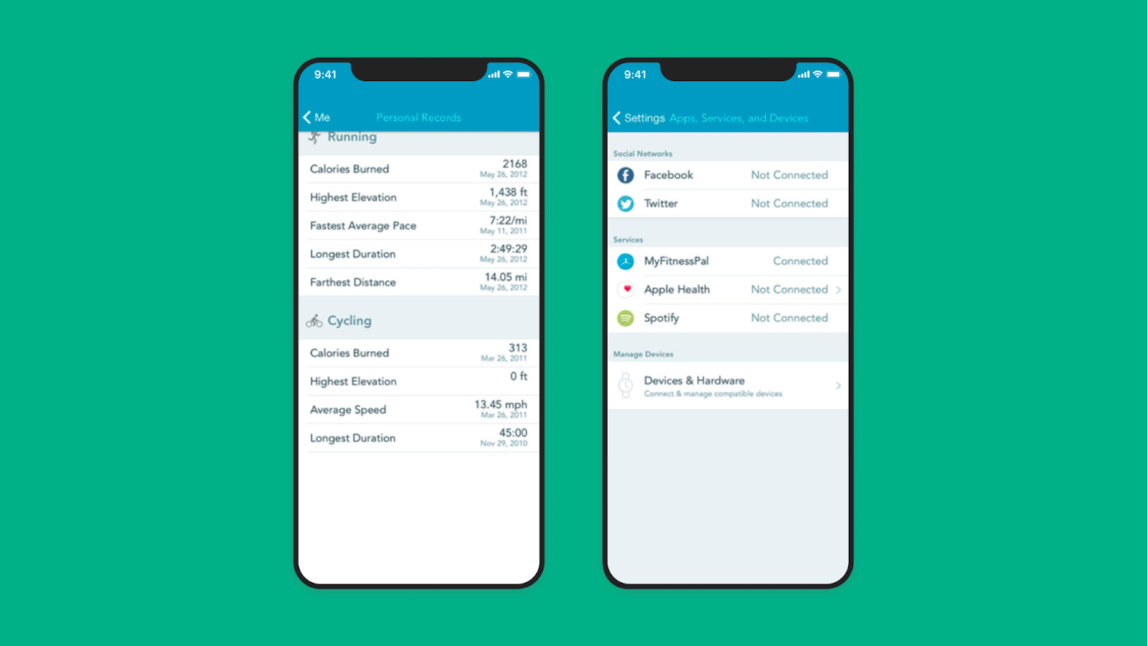
This is quite impressive, considering that it’s competing with other popular apps like Strava, Map My Run, and Runtastic. If you choose to upgrade to the premium version of Runkeeper, you’ll receive personalized training plans that cater to your individual goals. The app uses your phone’s GPS to track activities like jogging, cycling, and hiking, and it records details such as temperature, distance, workout time, and calories burned. Additionally, you can even take photos while you’re active. 

What’s more, Runkeeper integrates with external services like Fitbit, MyFitnessPal, Google Fit, and Apple Health. The latest version of the app also allows you to listen to music on Spotify while you exercise. Furthermore, Runkeeper is compatible with both Apple Watch and Google Wear.

The reasons for the app’s popularity

The extensive range of features offered by the Runkeeper health app is the key to its success. Upon launching the app, users are prompted to set their goals and motivations, and the app has four distinct training categories, including maintaining a specific body figure, weight loss, marathon training, and proper running technique. 

Runkeeper’s freemium model provides users with access to basic features for free. However, for those seeking premium features, a subscription can be purchased for a month or a year. Compared to its competitors, Runkeeper stands out with several noteworthy advantages.

  • Runkeeper live tracking is precise.
  • Calorie tracking.
  • Different training plans are available for those planning to run marathons.
  • Workout history is tracked comprehensively.
  • Social and collaborative activities.

Analyzing the Business Model of the Runkeeper App

Simply having a pre-built app is not sufficient to ensure success. There are several tasks that must be undertaken, such as creating a website for the product. It is also necessary to develop a marketing strategy and other critical elements. Prior to examining the app’s features, let us first review a typical business model and marketing measures for similar apps.

Business Model Canvas

We suggest completing a business model canvas to gain a better understanding of the processes involved. Cleveroad’s team has provided a sample canvas that includes relevant research-based information on the first page. The subsequent pages offer guidance on how to approach filling out the document, along with a clear format for the final product.

Ways to Monetize Your Fitness Application

Let’s look at monetization options, as it’s an integral part of how to create a fitness app.

In-App Advertising

While this approach may work in some cases, it is generally not advisable, especially in the highly competitive fitness app market. Users who find the presence of advertisement banners intrusive may choose to uninstall your running distance app and switch to a competitor with similar features.

Paid Applications

At first, Runkeeper utilized this method to generate revenue. However, the highly competitive nature of the market made it challenging to convince users to make a purchase. As a result, Runkeeper has transitioned to the Freemium business model, as demand for the previous approach was not enough.

Freemium

Achieving a balance between open opportunities and monetization is crucial for acquiring a large user base. Having too many opportunities can discourage users from subscribing or making in-app purchases, resulting in lower profitability for the app. It is important to strike the right balance to ensure the app is widely used and profitable.

Subscription

Offering monthly or yearly subscriptions to access exclusive content is a profitable way to monetize an app. This model is widely used in various industries, such as news, lifestyle, and entertainment, and is known for providing stable revenue.

App marketing mistakes to avoid

Before starting app development, it’s crucial to consider the monetization strategy and focus on elements that can increase customer conversion. It’s also essential to take into account the platform differences between iOS, Android, and Windows Phone to develop a successful marketing strategy. Neglecting these differences could result in slow profit growth for a particular platform. Marketing strategies for step counters on Android and Windows Phone may differ significantly. 

It’s important to showcase the app’s unique qualities and highlight key features when advertising on Google Play or App Store, but avoid overestimating the app’s abilities as it could negatively affect its rating. Additionally, make sure the text on the app store is comprehensive and includes relevant keywords to reach the app’s target audience.

Lifetime Value. It is crucial to remember that users may not always stay loyal to your app. To increase customer retention, it is advisable to continuously update and add new features to your app. As the app owner, you should analyze whether the Lifetime Value (LTV) of your users will cover the costs of development.

Viral marketing. Engage your app’s users in your marketing efforts. Dropbox incentivizes users to refer others to the platform by offering additional storage space.

Research is never enough. It is essential to ensure the distinctiveness of your run tracker app. Identify any shortcomings in competitors’ projects and address them with your own. If your application offers faster speeds, lower costs, or greater convenience than alternatives, it may have a higher chance of success.

Features Needed to Create a Runkeeper-Like App

After conducting research, we have compiled a list of beneficial features that you may want to consider when developing a fitness app.

MVP of your app

To create a Minimum Viable Product (MVP) for a run tracker app, consider including the following essential features:

  • Registration through social networks or email
  • Personal profile with customizable variables, such as weight and height
  • Route tracking functionality
  • Pre-made route maps
  • Display of the map while the user is in motion and periodic updates of their route
  • Notifications about the average tempo
  • Display of the route map after the training session.

Additional features

To create a successful fitness app, it is essential to meet the core requirements identified above, as well as the additional features listed below. However, due to the competitive nature of the Health & Fitness category, careful consideration of many details is important. These additional features include:

  • Audio playback during exercise
  • Heart rate monitoring through Bluetooth adapters or InvenSense technology
  • Training and nutrition plan assistance
  • Social components, such as chat and friend referrals
  • Ability to take and share photographs
  • Push notifications
  • Integration with social networks
  • Compatibility with Apple Watch and other wearables
  • Voice coach for updates on distance, time, and tempo
  • User-created routes
  • Weather conditions information

Remember to consider not only the features but also the marketing strategies in creating a successful fitness application.

Wrapping Up

We’ve told you the basics of a fitness software development. To know more, you can apply to a skilled outsourcing software development company, and they will eagerly help you. The experienced IT professionals will consult you as to different tech questions, and duly assist you in developing a profitable and attractive app for fitness purposes. 

What Is Healthcare Website Development and Why Turn To It in 2023

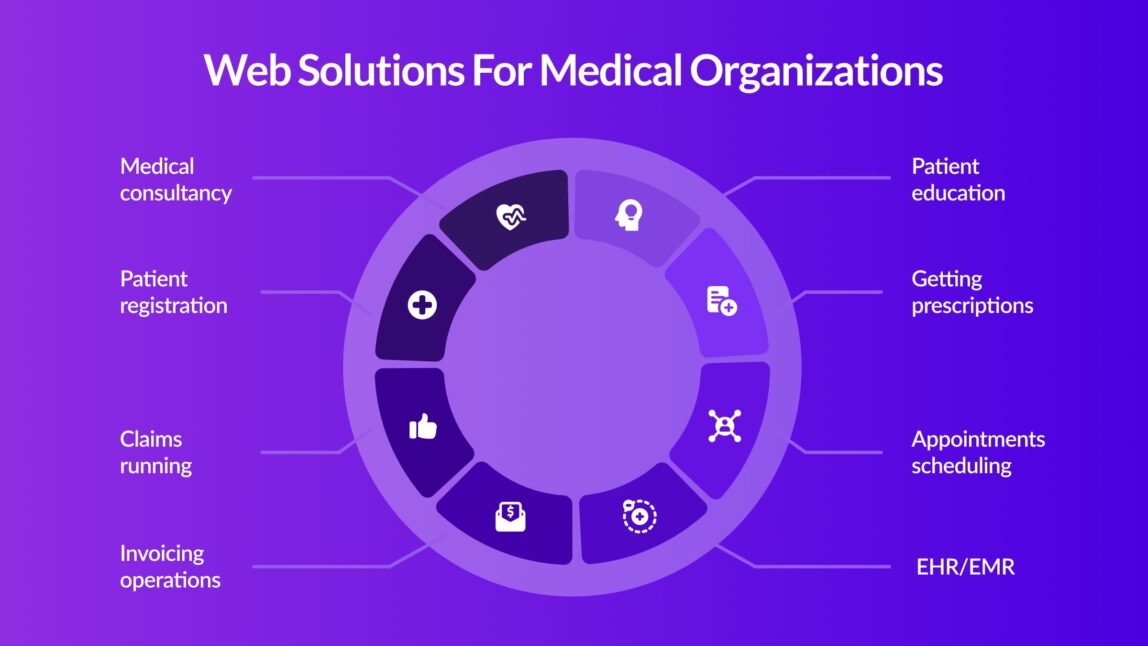
Managers are now able to coordinate many operations inside a single system thanks to healthcare web development. Patients use digital services to schedule visits and order medicines quickly.

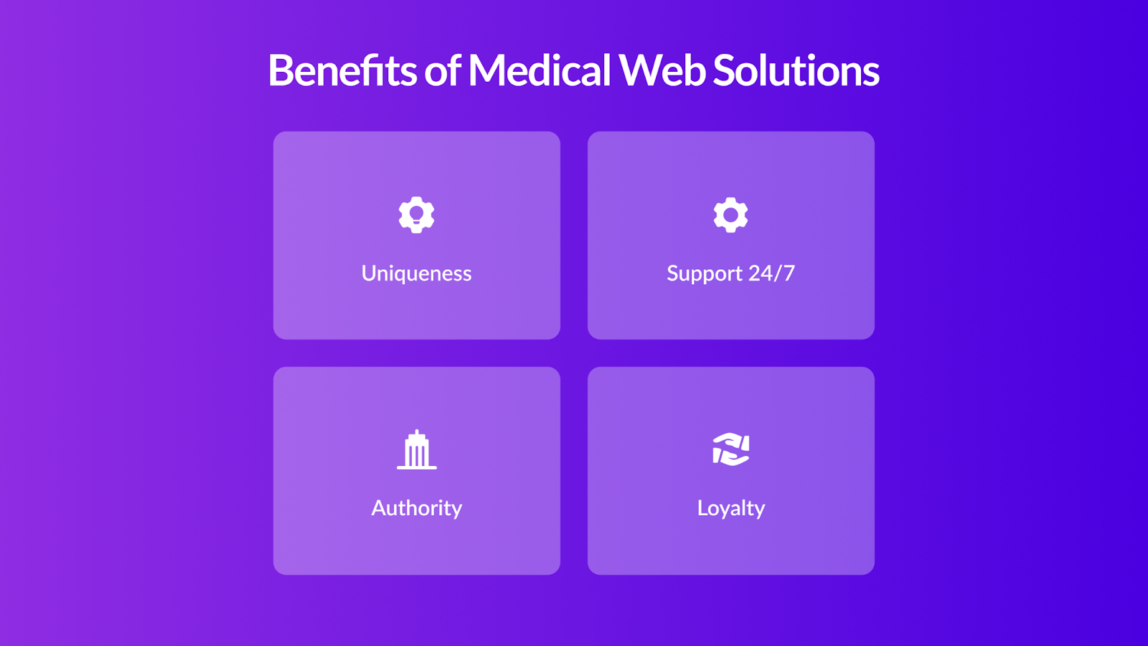
What are the Benefits of Healthcare Web Development for Companies in 2023?

Having a strong online presence is essential for healthcare organizations, including clinics, pharmacies, and hospitals. A practice’s website serves as an effective means of promoting its services and ensuring visibility to potential clients. It enables medical managers to streamline healthcare establishment operations and provides patients with a convenient way to seek answers to their concerns.

An overview of features, types, and more related to the creation of medical websites.

Given the potential catastrophic implications of delays in healthcare decision-making, it is crucial to act swiftly. A healthcare website can simplify the process of contacting the necessary doctors promptly and obtaining the required advice. This streamlined approach can expedite healthcare procedures and offer additional benefits such as patient education and an improved quality of life.

Comprehensive coverage, authority, dependability, and security should all be included in the content.

Medical websites will be able to provide a quick service with the capabilities listed below, making it simple for users to receive advice, make appointments, and complete other tasks:

  • Page of information.
  • Blog.
  • Forum.
  • The mechanism for managing content.
  • Practitioners looking.
  • Making reservations.
  • Profile of a facility leader.

Organizations can increase patient-doctor communication and operational efficiency by using a variety of medical website types.

Telemedicine consultations.

The platform instantaneously links patients and physicians.

A repository and knowledge base are available.

To reduce hazards, it is critical to educate individuals about health issues. Create a web portal with self-learning resources on ailment information or disease prevention by starting the building of a healthcare website.

Improvement Techniques for IT Infrastructure

Given the potentially catastrophic consequences of medical errors or delays, it is crucial that the services provided in the healthcare industry maintain a high standard of quality. Making infrastructure improvements can aid medical institutions in enhancing their overall quality.

E-commerce functions for medical products.

Implementing billing and invoicing systems for hospitals can streamline back-end tasks, such as paperwork and invoicing, resulting in increased revenue for the medical facility and a reduction in errors. Ordering such backend development services will significantly boost your productivity.

Web applications intended to support patients in managing their diseases and health are available.

Using gadgets like sleep monitors and fitness trackers, technology has made it easier to monitor one’s health. Improved team communication may result from the use of patient-centered applications.

Web applications are available for healthcare information extraction and studing.

Web-based healthcare analytics applications can help in lowering medical expenses, foreseeing illness outbreaks, and enhancing the quality of life.

Preparation for medical web development should be taken seriously.

Here are the key steps to take when engaging a software development provider.

  • Step 1. The primary point is to identify the needs and wants of the future customers
  • Step 2. Analysis of potential audiences should be undertaken
  • Step 3. Comply with regulations
  • Step 4. Prepare a list of features
  • Step 5. Identifying the order of priority for feature integration
  • Step 6. Develop and implement a promotional strategy
  • Step 7. Identify other technical issues that require resolution

Specifics of The Web Development For Healthcare Business Domain

Different software development firms have varying approaches when it comes to online projects.

Once your message is evaluated, the company will handle your request and schedule a meeting to discuss the project specifics and your business objectives.

During the discovery stage, the main objective is to gather project requirements, such as a feature list and any necessary third-party services.

Once the wireframes are approved and the visual theme for the product is decided, the design solution phase can commence.

The project development process is organized using sprints, following Agile methodology. These sprints typically span two weeks and involve planning activities and the delivery of functional software components.

Publishing your web project begins with deploying it to a live server.

During the support and maintenance stage, the team is responsible for various tasks, including bug fixes, performance and stability improvements, and optimizing the code for the product.

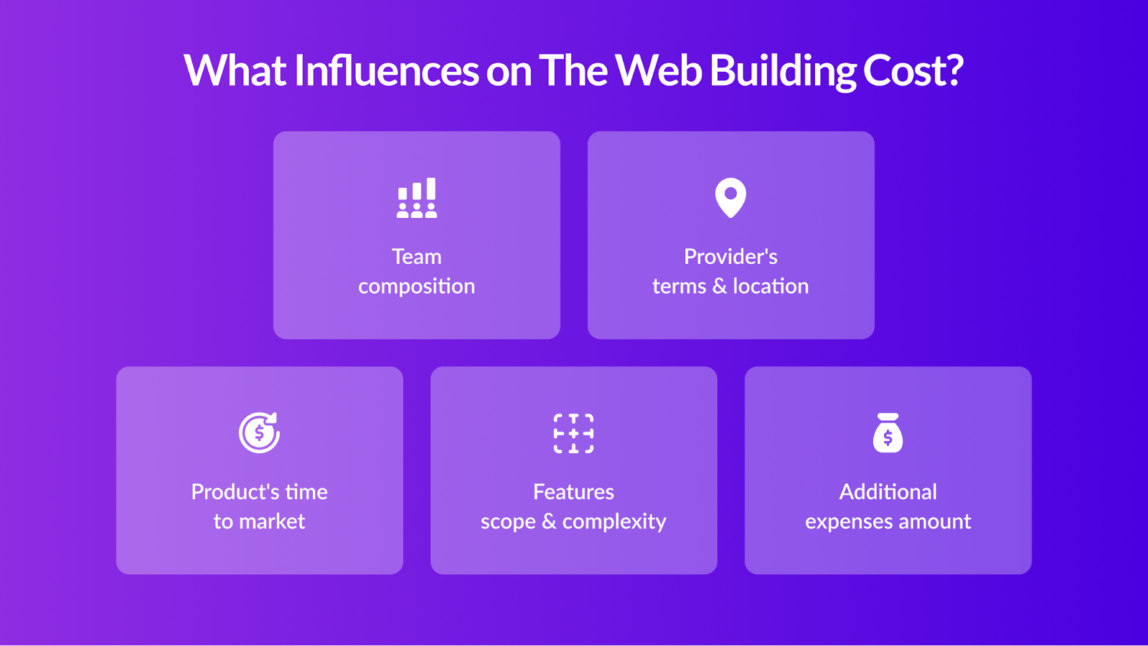
Factors contributing to the cost of creating a healthcare website.

The composition of the team.

Would you employ an IT-specialized team or design the online solution independently? Making sure that the services of skilled employees are utilized is crucial if you want the ideal online product.

Two options.

  • Hiring an in-house team. You may use local experts to develop your medical online solution when you hire an internal team.
  • Outsourcing web development. Healthcare website development outsourcing refers to employing experts from outside your organization. This strategy offers a wide range of IT expertise, cost-effectiveness, and other possible advantages.

Terms and location of the provider.

You can consider the hourly rates of various outsourcing locations when choosing an IT supplier and when estimating the price of their services.

Product’s time to market

The Time to Market (TTM) plays a critical role in determining the overall cost of a project. It refers to the duration required for product development and implementation.

Features scope and complexity

Although developing a custom website from the ground up may require a higher investment in your project budget, it can offer long-term advantages to your company, such as enhanced scalability and user-friendliness. Moreover, the website can cater to customers with specific dietary restrictions, accommodating their unique requirements.

Supplementary costs

Additional elements that should be taken into account when estimating project costs include, but are not limited to: The type of web project, the tech stack to be used, the intricacy of the design, etc.

What Resources Exist for Healthcare Web Developers?

In order to ensure the fulfillment of the criteria, it is essential to consider cost, quality, and the availability of appropriate resources when selecting a technology partner for developing online products in the healthcare sector.

Psychological Assistance to Parents of a Child with Early Age Autism

Autism spectrum disorder is a multifaceted condition that can present with a range of symptoms, varying in severity. Autism was initially believed to be a rare condition after its discovery by Leo Kanner in the 1940s. According to the Centers for Disease Control and Prevention (CDC), approximately 1 in 68 children have been diagnosed with some form of ASD, contradicting previous beliefs.

Clinicians use the criteria outlined in DSM-5 to diagnose ASD by assessing social/communication deficits and restricted or repetitive patterns of thinking/behaviors. In addition to clinical observations, standardized assessment tools may be utilized to determine the presence of ASD. Despite advancements in diagnostic measures, it remains uncertain whether the increase in reports of neurodevelopmental disorder is due to new cases or improved reporting practices. It is important for society to acknowledge the rising prevalence of ASD and provide necessary support for those affected.

The Correlation between Early Diagnosis and Prognosis for ASD

Early detection of Autism Spectrum Disorder (ASD) significantly impacts the patient’s long-term prognosis. The prompt identification of issues enables professionals to promptly implement intervention programs, which assist those affected in achieving their maximum potential. A survey of 1,420 parents of children with ASD revealed that the children were diagnosed later compared to those with other developmental conditions, despite initial parental concerns. The delay may be attributed to a lack of understanding and education about ASD.

The delay in diagnosis can have significant consequences, as it may prevent families from accessing early intervention services that are designed to meet their specific needs. Research indicates that children diagnosed with ASD before age five may experience more significant improvement than those diagnosed after age five, possibly due in part from the time lost during the misdiagnosis process. The presented statistic highlights the need for increased awareness and availability of accurate diagnostic tools for ASD. Implementing such measures may contribute to timely diagnoses and interventions for individuals with ASD, leading to improved outcomes.

Factors that Hinder Timely Detection

Early diagnosis of Autism Spectrum Disorder (ASD) is crucial in ensuring the best possible outcomes for children affected by this condition in the long term. Timely diagnosis is crucial for individuals to receive necessary support and ensure success in life. However, several barriers hinder early detection and intervention.

Parents who suspect their children may have ASD often report their concerns within the first year, but healthcare providers may dismiss common signs, such as delayed language development or isolative behavior that can be mistaken for shyness. Lack of knowledge on ASD signs and symptoms can hinder early detection by caregivers. Due to the lack of specialized diagnostic services in certain locations, it is not uncommon for individuals to experience waiting periods that can last from weeks to months before receiving an assessment. Studies show that parents from minority groups, including African-American families, have experienced longer delays in receiving mental health diagnoses due in part of increased stigma and limited access traditional treatments caused by economic disparities. It is important to overcome obstacles in order to diagnose ASD in a timely manner and provide appropriate interventions before symptoms worsen.

Screening and Assessment Have Been Proven through Empirical Validation

Early diagnosis of Autism Spectrum Disorder (ASD) is important for implementing evidence-based interventions that can assist in reducing disability in individuals with the disorder. To improve this, it is necessary to increase awareness among providers of the best practice recommendations. To ensure accuracy, ASD screening tools with established sensitivity and specificity should be utilized, such as those outlined in Table 1 and commonly recognized in the ASD field. The use of treatment planning tools like the Social Responsive Scale or Vineland Adaptive Behavior for this purpose is not recommended.

In addition, it is necessary for providers to have sufficient knowledge and understanding of how to correctly use these instruments to accurately diagnose. Additional information on ASD instruments can be obtained by reviewing publications since 2014. Identifying autism in youth at an early stage is crucial to ensure they receive evidence-based support services, which can lead to better outcomes and improved quality of life.

Regarding Providing Psychological Support to Parents of a Child Diagnosed with Early Onset Autism

The primary objective of providing psychological support to parents raising a small child with autism is to find resources that can help in enhancing emotional bonds with the child. This is crucial for the child’s mental development and emotional stability. It also helps in improving the experience of interaction with the child among relatives, increasing their confidence and vitality, and improving their skills.

Let’s examine certain aspects of supporting the child’s family in more detail.

In order to provide psychological support to parents of a child with autism, it is important to gain an understanding of their perception of the child’s challenges and strengths, their past experiences of interacting with the child, and how they manage their time and energy in caring for the child. It is necessary to gather sufficient information about the child.

The initial consultation is where the acquaintance with the child and their parents occurs, and it marks the beginning of the family’s psychological support. The quality of the child’s parents’ engagement in further activity, willingness to communicate, and implementation of recommendations depend on the specialist’s level of confidence.

When a child’s emotional state is particularly fragile, it is important to approach discussions about their developmental challenges in an appropriate manner. The psychologist has the responsibility of discussing specific problems of interaction with the child with the patient, without increasing their anxiety or confirming the diagnosis made by the psychiatrist. They should work together to find solutions in a certain sequence. Early intervention can significantly improve developmental outcomes, but without consistent support, positive changes may not occur.

During the initial psychological consultation, diagnostic tasks are completed and parents are taught techniques to establish and maintain emotional contact with their child. This includes involving the child in joint activities and utilizing speech stimulation techniques. One of the main responsibilities in working with a child’s development is to identify their specific challenges and establish a shared understanding between professionals and parents. Problems should be ranked based on their degree of importance. Priority tasks must be identified to provide corrective assistance to the child. Overcoming these difficulties will help address other issues. The discussion will also focus on the behavior of the child and the need for temporary adaptation.

It is crucial to identify a child’s main problems and potential for development, discuss with their relatives and evaluate their current resources, involve the child actively in the correctional process, emphasize successful forms of interaction, and work towards their consolidation and gradual advancement. It is important to understand that a child with observed difficulties will require long-term joint work and specialized assistance. Merely attending classes with a specialist will not achieve success in corrective work. Organizing special, therapeutic home education and involving close family members in classes is necessary for the child’s progress. It is important to inform the mother that the emotional bond she has with her baby plays a key role in regulating the baby’s emotions and behavior. While a specialist may provide guidance and techniques, the mother’s role cannot be replaced.

Participation in the consultation can provide a comprehensive understanding of the child’s opportunities and challenges. This can benefit not only parents, but also other family members and specialists involved in the child’s development or correctional classes. At the first meeting, it is possible to determine the contribution of all participants in corrective work by forming a coordinated picture of the child’s situation within the family and with specialists.

Conclusion

It is important for parents to receive psychological support from a specialist who conducts regular individual sessions with both the child and a trusted adult. This helps track changes in their condition and interaction, and provides assistance in the event of new difficulties while setting a path for successful development. The level of communication between parents and specialists is influenced by the quality of assistance provided, mutual trust, willingness to engage in dialogue, and agreement on understanding the child’s problems and their own difficulties in raising and developing the child. Active and regular participation, emotional stability, and confidence in their abilities also play a role in joint correctional assistance.

Temple Grandin History

American Temple Grandin is considered the most famous person ever to have been diagnosed with autism. She surpasses most of the mentally healthy people alive today in her intellectual development. Not only has she successfully overcome deficits in social and other skill development, but she has become a Ph.D., the world’s leading expert in animal science, animal behavior studies, and cattle equipment design. 

Temple Grandin: Who is she?

Temple is a successful businesswoman, professor at the University of Colorado, author of several books on autism and numerous scholarly articles in her field. These accomplishments might be considered outstanding even for ordinary people. But for someone who did not speak until age three and exhibited multiple behavioral disorders, such success seems unattainable.

Traditionally, high-functioning autism has been associated by practicing psychiatrists with Asperger’s syndrome. There is still debate as to whether it is appropriate to distinguish between the two diagnoses. According to DSM criteria, children with Asperger’s syndrome, unlike children with autism, show no clinically observable deficits in age-appropriate self-care skills, speech development and appropriate behavior.

In T. Grandin’s case, which makes it even more unique, this was not the case. Her diagnosis was not exactly consistent with the Kannerian Autism Profile, as the heroine herself continues to insist, but the diagnosis of Asperger’s Syndrome may not be correct in relation to Temple either.

Temple Grandin was born in 1947. In the first months of her life, she seemed to her mother to be an ordinary child, no different from the others, but at the age of six months, Temple began to freeze when held in her arms, to resist being touched. 

Over the next few years, her rejection of contact with others was supplemented by other typical symptoms of autism: an addiction to spinning objects, a desire for solitude, destructive behavior, outbursts of anger, an inability to speak, seeming deafness, an acute sensitivity to sudden sounds, and an overwhelming interest in smells. 

The diagnosis was made at the age of three. Only after six months of active speech therapy, the girl was able to say simple words, until then, she communicated with others only by mooing, shouting and violent gestures. In addition, she could paint her own feces on the walls, spit at others when she was tired, was hysterical at the sound of the ship’s horn, did not make eye contact, and reacted in no way to people who approached her.

Although Temple remained an autistic child, her acquisition of coherent speech and her ability to maintain relationships with others helped her escape from the chaos of feeling. Her sensory system, with its intense fluctuations in sensitivity, began to stabilize little by little. After Temple mastered speaking, her triad of deficits – social, communicative, and figurative – began to gradually subside. 

By the age of 6, Temple was speaking well and thus crossed the line that separates high-functioning autistic people from low-functioning ones who cannot master coherent speech. But even after therapy, her speech remained strange for a long time – jerky, monotonous, full of grammatical errors. Only at age 8, she mastered the skills easily acquired by children who barely learned to walk, which allowed her to attend school for regular children.

Temple’s Problems

Temple’s problems did not end there – the world of human relations remained alien and incomprehensible to her, so in school she remained an outcast to other children, although her mental development was at the same level as theirs. In 1956, Temple showed an IQ of 120, in 1959 – 137, significantly higher than the norm; she just did not know how to use it properly. 

With her poor grades, impulsive behavior, and outbursts of anger, she earned a reputation in school as a bad student and a bully. She struggled with math and languages, but in creative pursuits Temple was not equal – with undisguised pleasure to participate in theatrical productions, sewing costumes, sculpting, drawing, making crafts from wood. Only the Herculean efforts of her family and teachers helped Temple gradually blend into society.

As a teenager, Temple’s behavioral problems gained momentum, though they no longer had a pronounced antisocial connotation. She had to change a few schools, so her mother decided to seek help from psychotherapists. The only psychotherapy available for autistic children in the 60s was psychoanalysis, which unreasonably linked the emergence of autism with the psychic trauma of the mother’s rejection of the child. T. Grandin visited a psychoanalyst for several years, but, in her opinion, these meetings were not successful in her development, and she is still critical of this kind of therapy.

It was only in high school, in boarding school, that Temple became calmer and learned to restrain her anger. Over the past few years, her unhealthy hobbies, such as her fascination with elections, constant questions, and endless chatter, have subsided. Like most autistic children, she was acutely aware of the instability of the world around her: being separated from home and family, living in a new, unfamiliar place was very stressful for her. She wanted everything around her to remain the same – even dressed the same way and wore the same jacket day in and day out.

Putting her pain into a book

In her autobiographical book, Temple recounts how one day while she was at boarding school, a priest admonished her in church: “There is a door before each of you that leads to Heaven. Step through it, and you will be saved. After recounting this episode from her life, Temple went on to write: “Like many autistic children, I took what I heard literally. 

The priest’s words made a deep impression on me, and all my thoughts focused on finding the door to Heaven. I had to find that door. The door to the pantry, the door to the bathroom, the front door, and the door to the stable were all thoroughly investigated, but none of them corresponded to their high purpose. But then one day I climbed into the attic and found another door, the roof door. I felt a great relief, a sense of joy and peace. 

I found my door, which led directly to Heaven. The little wooden door became an important symbol for me and defined my life in many ways. Now, looking back, I realize that it meant growing up…”. Since then, the door metaphor has helped her develop and move on – first successfully graduating high school and then going to college.

Temple continued to be tormented by sudden panic attacks, hysterics. With their attacks, she could cope in two ways: either retreat into the inner world and try to minimize any external stimuli, or by hyperstimulation sensations – rotating, as in childhood, around its own axis, or riding on a fast ride. The solution to the problem came unexpectedly. 

While visiting her aunt’s ranch after high school, Temple had her first exposure to livestock life – she loved helping out around the farm and had already designed several engineering curiosities that improved operations (such as a mechanism that automatically opened gates). Once she saw a machine for cows – special equipment made of two iron flaps, where the animal was driven for various procedures – the cow, whose flanks were tightly squeezed by the walls of the machine, quickly calmed down. 

To the horror of her relatives, Temple decided to test the machine on herself, because since the age of 5 she had dreamed of a magic machine that could cuddle her affectionately, obeying commands: “I longed for love and a gentle embrace. But, at the same time, I avoided any excessive expression of feelings-as when I was a child, for example, when I was smothered in a hug by a fat, sugary-smelling aunt. Even when my teacher took my hand or put her hand on my shoulder, I flinched and recoiled. I sought bodily contact and, at the same time, avoided it…”

Home Renovation Expert: Working opportunities for persons with autism

Employees with autism spectrum disorders are usually unable to find even the simplest jobs, but recently they have been seen as a valuable resource that HR professionals are after. Autistic people remain highly concentrated when doing monotonous work, are not distracted, have an attention to detail, and may have extensive knowledge in an area of interest to them. 

Major corporations, such as Microsoft and SAP, and small businesses like modernization and renovation companies are increasingly hiring employees with autism. For their sake, it is necessary to change corporate rules, abandon standard job interviews and assign special assistants, but the result fully pays for itself. A million-dollar job market on the margins of progressive society.

A valuable resource

Most people with Autism Spectrum Disorders (ASD) cannot get a job – they have trouble communicating, don’t fit into corporate boundaries and rarely make a good impression in job interviews. According to National Autism Indicators, only 14 percent of citizens with ASD had a job in the U.S. in 2017 and 15 percent in the U.K.. 

But recently, employers have seen the strengths of autistic people and are now specifically looking for such candidates. They benefit from high concentration and attention to detail, they do not get bored with monotonous, repetitive work, they are good at finding patterns, so it is not surprising that they are becoming in demand in a wide variety of fields.

Autism spectrum disorders are a continuum of neurodevelopmental disorders manifested by a significant deficit in social communication and social interaction, and a limited (narrow) and repetitive repertoire of behaviors, interests and activities. 

Major features of ASD include, but are not limited to, 

  • problems with understanding and appreciating the emotions of others; 
  • difficulties with understanding body language and other non-verbal expressions of others; 
  • difficulties with making eye contact and using gestures. 

Also present are stereotypies (or stymies) – constant repetition of the same gestures and movements, often with vocalizations. Echolalia, when a person completely repeats words he or she has heard somewhere, retaining intonation. Strict adherence to certain rituals, such as strict adherence to certain routes, attachment to certain clothes. 

Hyper- and hyporeactivity to certain sensory stimuli, such as intolerance of loud sounds or avoidance of any touch. Disorder of functional language or refusal to use speech skills for communication (the same echolalia), and cases where speech is not used at all are also possible.

Experts With with Autism Spectrum Disorder

Such employees are also more loyal. According to SourceAbled, the turnover rate for employees with autism is 8 percent, compared to 47 percent for neurotypical employees. That said, people with ASD can be more productive. Participating Work for autism consulting firm Rangam Consultants Inc., for example, was able to reduce costs for one of its clients by 7 percent by hiring people with autism spectrum disorders. “Such people are loyal, diligent and don’t like to change jobs,” said Tim Weiler, director of the consulting firm Towers Watson. 

His company hired 18 people with ASD to participate in a pilot program several years ago and has since increased the number of such employees on its staff because it has proven commercially viable. Emma Jones, a member of the National Autistic Society’s UK employment team, also says that over the past few years they have been approached by more and more organizations who have learned that people with autism have strengths that can be leveraged in business. 

Melanie Lughi, vice president of research at consulting firm Gartner, believes that over the next ten years, the introduction of new work organization algorithms will allow 350 million people with mental disabilities to find jobs. “CEOs who ignore change are doing so at their own peril and hurting their organizations,” she said. Artem Novikov, a child psychiatrist with the Center for Curative Pedagogy, told Lenta.ru that the balance of power in the labor market could change significantly in the near future. 

“In general, the mental state of both children and adults is changing; there are more and more neurotypical people. Because of the abundance of information flows, half of the people are developing attention deficits. It is difficult for them to concentrate for a long time, attention constantly jumps, in such a situation a person with autism can have an advantage, because if he is interested in activity, he will work steadily, without distraction, without reading books about multitasking and articles on how to avoid procrastination. He’ll just get things done and the rest will wait,” he explained.

Hope IT

Specialisterne was one of the first in the IT business to hire people with ASD. This software testing and consulting company was founded in 2004 as a platform for people with ASD (75 percent of employees there are ASD). “Employers don’t hire people with autism because they’re locked into a social paradigm where everyone is looking for happy, normal employees, good team players who promote themselves,” says Thorkil Sonn, the company’s founder.

In 2012, SAP India hired five employees with ASD. The company admits that this decision was inspired by the success of Specialisterne. Pilot projects showed that the model helped grow the business, so a new goal was announced – autistic people should make up one percent of all employees at the company, that’s about 600 people. “Testing software requires a lot of accuracy and thoroughness, and on top of that it’s mind-bogglingly boring. It’s important to do it right, but it’s very difficult to hold your attention long enough,” explains Robert Austin, professor of IT management at Copenhagen Business School, explaining the autism in the IT sector. As the professor points out, this is by no means charity.

They will work in other areas as well.

Guidelines for Interacting with a Child Who Has Autism Spectrum Disorder

As ASD is a developmental disability that can cause significant social, communication, and behavioral challenges. When interacting with a child who has ASD, it is important to be respectful and understanding. But how exactly?

What is Autism Spectrum Disorder

Autism Spectrum Disorder is a condition that affects a person’s social skills, communication, and behavior. Individuals with ASD often have difficulty interacting with others and may engage in repetitive behaviors. ASD is a spectrum disorder, which means that there is a wide range of symptoms and severity levels.

It is estimated that 1 in 59 children has ASD, according to the Centers for Disease Control and Prevention.

People with autism spectrum disorder (ASD) often have unique strengths and abilities that make them successful in a variety of fields. With the right job fit and workplace accommodations, people with ASD can thrive in the workforce.

Autism Spectrum Disorder Symptoms

The symptoms of ASD can vary widely, but there are some common signs. They may include:

  • difficulty with social skills and interactions,
  • problems with verbal and nonverbal communication,
  • hyper- or hypo-sensitivity to sensory input,
  • repetitive behaviors or interests.

Some people with ASD are highly functioning and only need minor support, while others may require more significant levels of support.

Tips to Communicate with a Child Who Has Autism Spectrum Disorder

There is no one-size-fits-all approach to interacting with a child who has ASD, as each individual is unique and experiences the world in their way. However, some general guidelines can help interact with a child with ASD.

  • Make sure the child has your full attention before you begin speaking to them. Look at them directly and use a calm, pleasant tone of voice. Avoid speaking in a loud or exaggerated way, as this can be overwhelming or disturbing to the child.
  • Keep your questions short. Yes/no questions can be especially helpful, as they are easier for the child to process and answer.
  • Be patient when waiting for a response from the child. Some children with ASD may have difficulty communicating verbally, so it may take them longer to answer your question or respond to you.
  • Be aware of your body language and facial expressions. Children with ASD are often more attuned to nonverbal cues than verbal ones, so it’s important to make sure that your body language is consistent with what you’re saying. For example, if you say “I’m happy to see you” but have a neutral or negative facial expression, the child may be confused or mistrustful.
  • Respect the child’s personal space and avoid invading their bubble unless you have been invited to do so. Some children with ASD may not like to be touched, even by people, they know well, so it’s important to ask before hugging or touching the child in any way.
  • Be aware of the child’s sensory needs and try to accommodate them if possible. For example, if you know that the child does not like loud noises, avoid making sudden noises or speaking too loudly near them. If the child likes to move around frequently, try to provide them with opportunities to do so during your interaction (e.g., let them walk around while you talk).
  • Be flexible in your interactions with the child and be prepared to change plans if necessary. Children with ASD can sometimes become fixated on certain topics or activities and may have difficulty transitioning to new tasks or activities—if this happens, try to redirect the child’s attention in a gentle way (e.g., “I see you’re interested in that toy truck—would you like to play with it after we finish our conversation?”).
  • Finally, resist the urge to compare the child’s behavior or abilities to those of other children their age—every child develops differently and at their own pace, so comparisons are ultimately meaningless and unhelpful.

Conclusion

Interacting with a child who has ASD can be challenging at times, but it can also be rewarding.

Following these guidelines will not guarantee that your interaction with a child who has ASD will go perfectly—but they will help increase the chances of having a positive interaction that is respectful of the child’s individual needs and preferences.

The Right Job for People with Autism: From Appliance Repair Specialist to Data Entry Clerk

Over the past few years, there has been a lot of discussion about autism. While there is still much we don’t understand about this neurological disorder, we do know that people with autism often have difficulty with social interaction, communication, and repetitive behaviors. 

We also know that people with autism are more likely to be unemployed or underemployed than those without the disorder. In fact, according to a 2017 study from Drexel University, only 14% of adults with autism are employed full-time.

So, what can be done to help people with autism find gainful employment? The answer is simple: We need to choose the right job for them. And it’s not so difficult, as you can see from the title of this post, from appliance repair specialist to data entry clerk – people with autism can handle it all!

Keep reading to learn more about why this is so important and how you can go about finding the right job for someone with autism.

What is ASD?

Autism spectrum disorder (ASD) is a neurodevelopmental disorder that affects social interaction, communication, and behavior. According to the Centers for Disease Control and Prevention (CDC), ASD affects an estimated 1 in 59 children in the United States. 

While people with ASD can have a wide range of abilities and challenges, many individuals with ASD want to work and can work. However, choosing the right job can be a challenge. In this blog post, we will explore some factors to consider when choosing a job for someone with ASD.

The Importance of Choosing the Right Job for People with Autism

When it comes to people with disabilities, choosing the right job is essential. That’s because people with disabilities are more likely to experience job satisfaction and stay in their jobs longer when they feel like they’re a good fit for the position.

And that’s especially true for people with autism. A 2016 study from Drexel University found that 75% of adults with autism who were employed full-time said they were satisfied with their jobs.

So, how can you choose the right job for someone with autism? Here are a few tips:

  • First, it is important to consider the individual’s strengths and interests. What are the individual’s skills? What does the individual enjoy doing? Matching an individual’s strengths and interests with a job can help increase satisfaction and motivation at work.
  • It is also important to consider an individual’s support needs when choosing a job. What type of support does the individual need to be successful at work? Does the individual need assistance with social skills or communication? Does the individual need a quiet workspace or frequent breaks? Knowing what type of support an individual needs can help you choose a job that is feasible and will set the individual up for success.
  • Finally, it is important to keep in mind that every person with ASD is different. What works for one person may not work for another. It is important to consult with professionals, such as psychologists or occupational therapists, who can assess the individual’s needs and make recommendations about employment. 

What Jobs are Suitable for People with Autism?

  • Data Entry Clerk. Data entry clerks input information from paper documents into computer databases. This job is often a good fit for people with ASD because it is relatively simple, and does not require much interaction with other people. Data entry clerks typically work independently, so they can take breaks as needed to reduce stress levels.
  • Office Assistant. Office assistants perform a variety of administrative tasks, such as answering phones, scheduling appointments, and sorting mail. This job is often a good fit for people with ASD because it does not require much social interaction and it allows individuals to work at their own pace. Office assistants typically work independently, so they can take breaks as needed to reduce stress levels.
  • Appliance Repair Specialist. Appliance repair specialists diagnose and fix problems with a variety of household appliances, such as refrigerators, dishwashers, and washing machines. This job is often a good fit for people with ASD because it does not require much social interaction and it allows individuals to work at their own pace and area, including Oshawa and surrounding areas. Appliance repair specialists typically work independently, so they can take breaks as needed to reduce stress levels.
  • Computer Programmer. Computer programmers write code that tells computers what to do. This job is often a good fit for people with ASD because it requires attention to detail and patience, two strengths that many people with ASD possess. Computer programmers typically work independently, so they can take breaks as needed to reduce stress levels.
  • Accountant. Accountants prepare financial statements and tax returns for businesses and individuals. This job is often a good fit for people with ASD because it requires attention to detail and patience, two strengths that many people with ASD possess. Accountants typically work independently or in small teams, so they can take breaks as needed to reduce stress levels.

Conclusion

There are many reasons why it’s so important to choose the right job for people with autism. Not only will they be more likely to enjoy their work and stick with their chosen career, but they’ll also be more productive employees overall. 

Keep these tips in mind as you begin your search for the perfect position—and don’t forget to involve your family and friends in the process! With a little patience and perseverance, you’re sure to find a great fit for your loved one’s unique skill set.

Autism in Numbers in 2022

In 2022, we revealed that people can look forward to extra funding for survey and treatment studies on autism symptoms. The most current data is presented below.

Rate

Autism is a developmental disability that can provoke the appearance of social and behavior challenges. And one in fifty four kids have autism. And it only grows higher according to sources (clinics/schools/health care workers). 

Not a Disease But Condition

Autism is developmental disability. The dominance of autism has risen significantly in the past 20 years. However, it’s becoming more accepted in America — but still isn’t recognized by many people as a condition that requires support and understanding. It’s a disease but simply a different way of perceiving the things around you.

In the past, devoted conferences were held at physical locations. The main disadvantage of this was that many families and individuals with autism could not attend due to the costs associated with travel. Nowadays, many conferences are held virtually through Zoom, an internet-based video platform that allows users to connect via the web or mobile device. This means you can stay home on your couch while still being able to participate in a conference with people around the world and educate yourself! There are also plenty of other benefits to virtual conferences:

  • You don’t have to worry about getting lost or being late for sessions because everything is on time and available at all times
  • You won’t have any distractions from other people (i.e., noise level) which may make it easier for you or your child/ren to focus during presentations

Raw Facts for the Interested

The CDC reported that the predominance of autism in American children has grown by 120 percent. Here is more:

  • There are an estimated 1.5 million people with the disorder living in the U.S., including 1 million children and over 500,000 adults.
  • 1 out of every 59 children has been diagnosed with ASD. In addition, 3% of all US children were diagnosed with an ASD during this study period (CDC, 2016).
  • Males are 5 times more likely to get autism than females.
  • This ratio is consistent across racial groups.

The cost of caring for a child with autism is about $60,000 a year — double or triple the cost of caring for a child without autism. And costs can skyrocket depending on how much assistance your family needs to work with teachers and schools or participate in community activities.

According to the National Autism Association, people with autism can be affected by other medical conditions in a number of ways. These include:

  • Sensory Processing Disorder (SPD)
  • Sensory Over-Responsivity (SOR)
  • Hypo- or Hyper-Sensitivity to Sounds and Lights
  • Chronic Pain Syndrome

The rise in the number of people with autism who also have other medical conditions is due to two factors: better diagnosis and improvements in technology. For example, if you were diagnosed with SPD as a child but didn’t show symptoms until adolescence, you would not have been diagnosed until recently because it wasn’t common knowledge that SPD existed at that time. Additionally, advancements in technology have allowed doctors to accurately diagnose sensory issues earlier than before which leads them to recommend treatments (e.g., auditory integration therapy) that were not available at one point when they weren’t even aware there was something wrong with their patients’ senses!

The costs of caring for a child with autism can be $62,500 per year. This includes occupational,  speech therapy, behavioral health care, special education and respite care.

Many families also rely on tax credits to help offset these expenses. The Child and Dependent Care Tax Credit provides up to $2,100 in relief during tax season ($1,400 per dependent). But even with this credit in place, autism still has a significant impact on household income: nearly half (46 percent) of U.S. families with an autistic child had household incomes under $50,000; only 21 percent had household incomes over $100,000.

The financial burden that it lays on families can lead them into debt — or cause them to lose their jobs altogether when both parents need long periods off work to care for their children at home instead of working full time.