
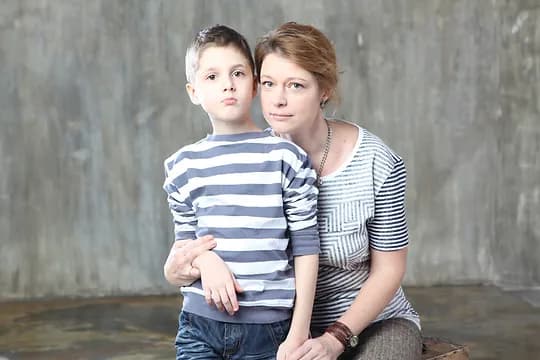
Living with a family member with autism opens up a world of both challenges and triumphs, paving a path that strengthens their bond through understanding, adaptation and love. Autism Spectrum Disorder (ASD) manifests itself in different ways, affecting the lives of each family member in different ways. One can and should test their uniqueness for people with autism and ordinary people alike at casinossinlicencia.org . This unique journey unfolds a narrative of resilience, empathy, and deep connection, offering insight into the nuanced world of neurodiversity.
Understanding Autism Spectrum Disorder
Autism is a developmental disorder characterized by differences in social interaction, communication, and behavior. The “spectrum” reflects the wide range of experiences and abilities of those with autism, from highly skilled to significantly challenged.
Core Challenges
- Social Communication: Difficulties in understanding social cues, maintaining conversations, and forming friendships.
- Behavioral Patterns: Repetitive behaviors, insistence on sameness, and varied interests.
- Sensory Sensitivities: Over- or under-sensitivity to sensory inputs like sound, light, and texture.
Family Dynamics and Strategies
Living with autism affects each family member uniquely, prompting strategies that cater to individual needs while fostering a supportive environment.
Adaptive Strategies for Families
- Routine and Predictability: Creating a structured environment helps reduce anxiety for autistic individuals.
- Communication Techniques: Employing non-verbal methods, such as picture boards or sign language, enhances understanding.
- Inclusive Education: Tailoring educational approaches to include visual, auditory, and kinesthetic learning styles.
Emotional and Social Support
Emotional support for people with autism is not just beneficial; it is a cornerstone of their ability to thrive. This article explores the profound impact of emotional support on individuals with ASD, shedding light on its importance for enhancing quality of life, fostering independence, and promoting understanding and acceptance in society.
Understanding Autism Spectrum Disorder
Autism Spectrum Disorder is a neurodevelopmental condition characterized by differences in social interaction, communication, and sensory sensitivities, as well as the presence of repetitive behaviors and interests. People with ASD often experience the world more intensely; their perception of sensory inputs can be heightened, and understanding social norms and cues can be challenging.
The Vital Role of Emotional Support
Emotional support for individuals with autism involves more than just empathy or kindness. It encompasses a range of actions, attitudes, and approaches that recognize and respect the individual’s experiences, challenges, and needs.The most important support from:
- Sibling Support Programs: Engaging in programs that address the specific needs and concerns of siblings of autistic individuals.
- Parental Self-Care: Encouraging parents to take time for themselves, ensuring their own emotional and physical well-being.
- Community Engagement: Joining autism support groups and engaging in community activities that promote understanding and inclusivity.
The Ripple Effect on Family Members
The presence of an autistic individual in a family can have varied impacts, necessitating adjustments and fostering growth. The table below illustrates these dynamics:
| Family Member | Impact | Support Strategies |
| Parents | Increased stress and responsibility | Respite care, counseling, support groups |
| Siblings | Feeling of neglect, increased pressure | Individual attention, sibling support programs |
| Grandparents | Uncertainty on how to assist | Education on autism, specific ways to offer support |
Highlighting Strengths and Successes
Focusing on the strengths and unique abilities of autistic individuals not only boosts their confidence but also enriches family life. Their unique perspectives can lead to creative problem-solving, detailed knowledge in specific areas, and unwavering honesty.
Engaging with the World: FAQs
- Q: How can we help our autistic family member develop social skills?
- A: Encourage participation in social skills groups tailored for individuals with ASD. Practice and role-play social scenarios at home in a comfortable setting.
- Q: What educational accommodations are effective for autistic students?
- A: Individualized Education Programs (IEP), tailored curricula, and sensory-friendly learning environments can significantly enhance educational outcomes.
- Q: How can we as a family cope with societal misunderstandings about autism?
- A: Education and advocacy are key. Sharing your experiences and promoting awareness about autism can help dispel myths and foster a more inclusive society.
- Q: Can autistic individuals lead independent lives?
- A: Yes, with varying degrees of support, many autistic individuals can achieve independence. Career development programs, life skills training, and supportive living environments can facilitate this process.
Conclusion
The journey with an autistic family member is one of continuous learning, adaptation, and unconditional love. It demands resilience but offers unparalleled rewards in the depth of connections forged and the mutual growth experienced. By embracing neurodiversity, families not only support their autistic member but also advocate for a world that recognizes and celebrates the rich tapestry of human experience. Through understanding, patience, and advocacy, the narrative of autism can be one of empowerment, inclusion, and joy.