Why Transitions Between Parts of the Day Are Especially Hard for Children With Autism and How Visual Schedules Reduce Stress?

Transitions are a hidden source of stress for many children with autism. A child may seem calm during breakfast, play, or a school task, then become upset the moment it is time to stop and move to something else. To adults, this can look sudden. For the child, the stress often starts earlier. It begins with the loss of predictability.

A transition is not only a change in activity. It is also a change in expectation, sensory input, pace, and control. One part of the day ends. Another begins. That shift can feel small to other people. For a child with autism, it may feel sharp, confusing, and unsafe.

This is why transitions often become difficult points in the day. Morning routines, leaving home, starting class, ending screen time, moving to dinner, getting ready for bed, or changing from one room to another can all create tension. The problem is not always the next activity itself. The problem is often the move between one state and another.

Visual schedules help because they make that move easier to understand.

Why transitions create so much stress

Many children with autism rely heavily on structure. Predictable sequences reduce uncertainty. Repeated routines make the day easier to process. When a transition interrupts that sense of order, the child may feel that control is disappearing.

This can happen for several reasons at once.

First, transitions often require fast mental shifting. The child must stop one activity, accept that it is over, understand what comes next, and prepare for a different set of rules. That sequence can be hard to manage in real time.

Second, language is not always enough. A parent may say, “We’re leaving in five minutes,” or “After this, it’s bath time.” The child hears the words, though the words may not create a stable picture. Spoken instructions disappear quickly. A child under stress may not hold them well.

Third, transitions often bring sensory change. A quiet room may lead to a noisy hallway. A preferred object may need to be put away. Clothing may change. Lights, sounds, and textures may shift too. This adds another layer of difficulty.

Fourth, many transitions involve stopping a preferred activity before the child feels ready. A child who is deeply focused on a toy, video, or repetitive routine may not experience the change as a neutral request. It may feel like a forced break in something safe and regulating.

This is why a transition can trigger resistance, withdrawal, crying, refusal, running away, or a meltdown. The reaction is often linked to overload, not to disobedience.

The child may not fear the next activity

Adults sometimes assume that a difficult transition means the child dislikes the next part of the day. That is not always true.

A child may enjoy school, meals, or bedtime stories and still struggle when moving toward them. The stress may come from the shift itself. It is the interruption, the uncertainty, and the demand to reorient that create the problem.

This distinction matters. If adults focus only on the destination, they may miss the real source of distress. The child may not be avoiding dinner. The child may be struggling with ending play, tolerating the pause, and reorganizing attention.

When that pattern is misunderstood, adults may push harder with verbal commands. This often increases stress. The child receives more language, more urgency, and more emotional pressure during a moment that already feels unstable.

Why visual schedules work better than repeated verbal reminders

Visual schedules reduce stress because they make time and sequence visible. They turn the day into something the child can see, not just hear.

That changes a lot.

A visual schedule shows what is happening now and what will happen next. In some cases, it also shows what comes after that. This lowers uncertainty. The child does not have to depend only on memory or spoken explanation. The order of the day remains present in front of them.

That is especially useful for children who process visual information more easily than spoken language. A picture, symbol, object cue, or written card stays available. The child can look again. That creates stability.

Visual schedules also support predictability. Even when the next activity is not preferred, it feels less sudden if it appears as part of a known sequence. “Play, snack, outside, lunch” is easier to tolerate than an unexpected interruption.

Another benefit is emotional distance. A schedule can reduce the sense that change comes only from another person’s demand. Instead of hearing repeated instructions from an adult, the child sees that the day has a structure. This often lowers conflict.

Visual schedules make endings clearer

One common difficulty in autism is that the end of an activity can feel unclear. Adults may assume the activity is obviously finished. The child may not experience it that way.

A visual schedule helps define boundaries. If “drawing” is followed by “wash hands,” the child can begin to understand that drawing has a place in the routine and that it ends before the next step begins. This does not remove disappointment, though it makes the change easier to understand.

That clarity is important because unclear endings often create escalation. The child keeps going. The adult interrupts. The child resists. Everyone becomes more tense. A visible sequence can soften that pattern.

Some children respond well to removing or checking off completed activities. This creates a concrete sign that one part of the day is over. It also gives the child a sense of movement through time.

They help reduce stress before the transition starts

Visual schedules do not only help during the transition itself. They help before it.

Anticipation is one of the strongest sources of stress in autism. If a child never knows what comes next, the whole day can feel unstable. That background instability raises the chance of distress when change arrives.

A visual schedule reduces that pressure by making change less surprising. The child can prepare mentally. Even a short sequence board with “now” and “next” can help. Long daily charts can work for some children. Others do better with smaller parts of the day shown one at a time.

The important point is not complexity. It is clarity.

A simple visual schedule often works better than a crowded one. The goal is to make the next step understandable, not to create more information than the child can manage.

They support independence, not only compliance

Visual schedules are sometimes seen as a tool for getting children to cooperate. That view is too narrow.

Their deeper value is that they support independence. A child who can check what comes next does not need to rely on constant verbal prompting. A child who understands the sequence of the morning routine may begin to move through it with less adult pressure. That reduces stress for the child and for the family.

This matters because repeated prompting can become exhausting. It can also make transitions feel like a series of corrections. Visual structure shifts some of that burden away from constant adult control.

Over time, many children begin to trust routines more when they are represented clearly. That trust can reduce defensive behavior around change.

Visual schedules do not remove every difficulty

Visual schedules are useful, though they are not a complete answer.

Some children still need extra support with warning times, sensory accommodations, transition objects, or slower pacing. Others may struggle when a schedule changes unexpectedly. A visual plan can even create new stress if it is too rigid or too detailed for the child.

That is why the schedule has to match the child’s level of understanding and flexibility. Photos may work better than icons for one child. Written words may work for another. Some children need a portable card. Others respond better to a wall routine.

The best schedule is the one the child can actually use.

Transitions are hard for many children with autism because they combine uncertainty, interruption, sensory change, and loss of control in a very short moment. What looks small from the outside can feel intense from the inside. Visual schedules help because they make the structure of the day visible, stable, and easier to trust. They do not erase frustration, though they often reduce the stress that builds around change. In daily life, that can turn some of the hardest moments of the day into moments the child can predict, prepare for, and handle with more calm.

Healthcare Mobile App Development: Features, Best Practices, and Trends

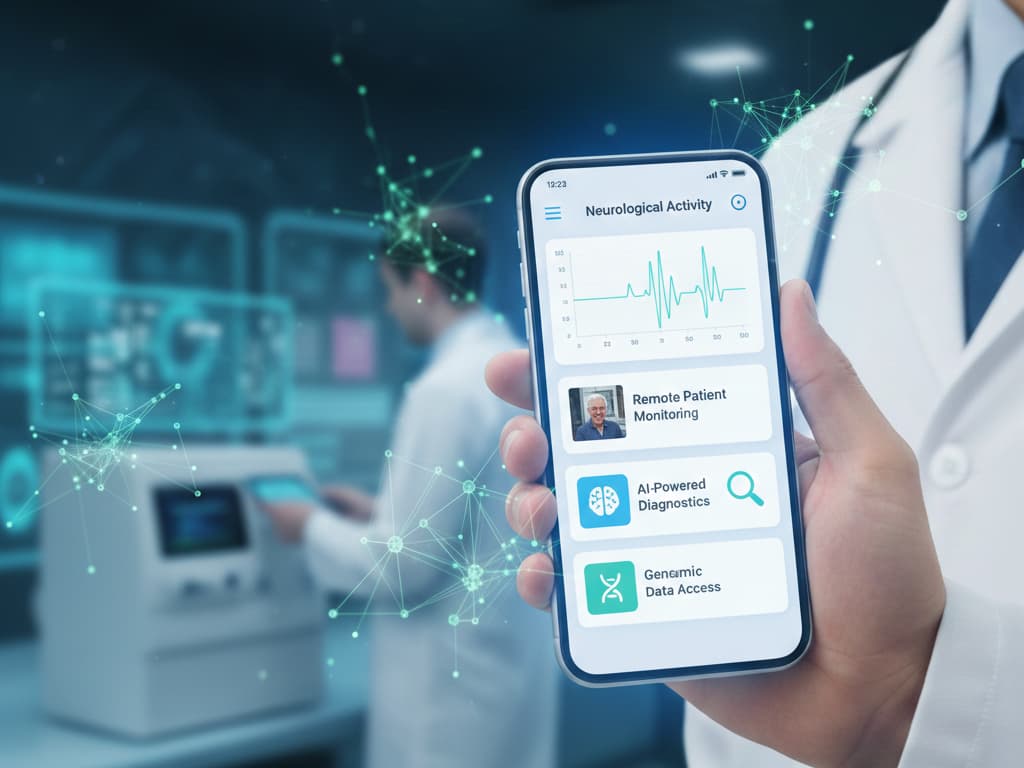
The healthcare industry requires healthcare mobile applications as essential components which provide medical services to patients. The systems now function as essential elements which healthcare facilities use to involve patients and conduct remote patient assessments and provide digital treatment and manage their clinical procedures. Hospitals and startups together with healthtech companies develop mobile applications which enable better healthcare access and efficient business operations and assist their organizations with data-based decision making processes.

Healthcare mobile applications need more than user interface design and essential features because the development process requires multiple elements. The ability of an application to deliver actual clinical benefits relies on its assessment of four factors which include security measures and compliance standards and system integration capabilities and scalability for future growth.

The article examines vital elements which create mobile health applications together with the most effective development methods and the main trends which currently define the healthcare mobile application market.

Why Healthcare Mobile Apps Matter in Modern Care Delivery

Mobile applications serve both patients and providers.

For patients, apps provide:

  • Appointment scheduling
  • Appointment
  • Telmedicine access
  • Medication reminders
  • Personal Health Record Access

For providers, apps facilitate:

  • Remote Patient Monitoring
  • Secure Communication
  • Workflow automation
  • Access to real-time clinical data

The growing trend of hybrid care systems creates a bigger market for mobile-based healthcare services.

Choosing the Right Development Partner

Healthcare mobile app development needs experts who understand regulatory compliance requirements and system integration processes and implementation of secure architectural systems. The company Cleveroad partners with healthcare organizations to create and deploy secure mobile and web solutions which match clinical workflows and compliance requirements. A medical device consulting firm hired Cleveroad to enhance its document management system which could not handle increased demands. The new solution brought better performance and increased system dependability and easier long-term system upkeep.

Cleveroad worked with a nursing education company to transform its digital platform through a complete redesign and new development of all digital materials. The team created new web and mobile applications through Node.js and AWS development which built an infrastructure that could handle future growth while providing better user experiences. The development of sustainable healthcare applications needs developers who possess expertise in modernizing healthcare systems and building cloud-based systems and implementing predictive analytics and ensuring compliance with regulations.

Essential Features of Healthcare Mobile Apps

The process of selecting features needs to consider both the target audience and the specific application requirements. The majority of successful healthcare applications include several essential functions which operate as their fundamental capabilities.

Secure Authentication and Data Protection

Healthcare apps usually deal with confidential information. Security is the foundation.

These elements include:

  • Multi-factor authentication
  • Role-based access control
  • End-to-end encryption
  • Secure cloud infrastructure

Factors like compliance, which refer to rules such as HIPAA or GDPR, affect system architecture from inception.

Telemedicine and Communication Tools

Telehealth functionality has become a standard requirement for all healthcare systems. The main system elements of the system include:

  • Secure video consultations
  • In-app messaging
  • File sharing for medical records
  • Appointment reminders

The system needs to maintain operational performance for its features throughout different network conditions.

EHR and System Integration

Healthcare mobile applications rarely act as freestanding applications. Integration with Electronic Health Record systems, also known as hospital management systems, is essential.

Common Integration Approaches:

  • HL7 or FHIR standards
  • API-based synchronisation
  • Cloud-based Interoperability Framework

In the absence of integration, data silos create a lack of clinic.

Remote Patient Monitoring

Chronic disease management depends more on connected devices to monitor patient health.

Healthcare applications support integration with two devices which include:

  • Blood pressure monitors
  • Glucose sensors
  • Wearable devices
  • IoT-based medical equipment

The use of real-time alerts enables medical professionals to detect health issues earlier which decreases the need for hospital readmissions.

Analytics and Reporting

The healthcare providers need insights into patient behavior and performance.

Such features may include:

  • Patient adherence tracking
  • Outcome monitoring
  • Operational performance dashboards
  • Predictive Risk Indicators

Data visualization should always be simple and practical for medical staff.

Best Practices in Healthcare Mobile App Development

Healthcare technology projects fail if they result from a process of execution wherein the basis for consideration is the rapid completion of the project rather than the development of an outstanding framework for operation. Sustainability of mobile healthcare technology projects results from their use of systematic methodologies for development.

Start with Regulatory Planning

Compliance needs to be integrated into infrastructure design processes from the discovery stage because it cannot be added to existing systems at a later time. Organizations should:

  • Identify applicable regulations
  • Define data storage requirements
  • Establish audit logging processes
  • Plan encryption standards

Focus on Workflow Fit

The usefulness of advanced prediction systems also depreciates if they interfere with physician schedules.

Successful Healthcare Apps:

  • Mirror existing operational workflows
  • Reduce Manual Data Entries
  • Provide actionable alerts
  • Minimize cognitive overload

Usability testing with clinicians increases adoption rates.

Design for Scalability

Healthcare usage grows quickly when adoption succeeds. The requirements for scalable systems include three essential components which are Cloud-native architecture and Microservices-based backend and Secure API gateways and Performance monitoring tools.

The process of cost-effective planning needs to start with designing systems that have the ability to grow.

Implement Continuous Monitoring

Healthcare systems need continuous testing of their models and system components. The monitoring process consists of three main elements which include performance metrics and security audits and model recalibration and version control. The organization establishes retraining procedures for its predictive models as a necessary practice to sustain model accuracy.

Emerging Trends in Healthcare Mobile App Development

The ever-changing healthcare mobile experience landscape.

AI-Driven Clinical Support

Artificial intelligence improves triage systems and risk assessment and diagnostic support systems. The usage of AI technology has expanded to become an integral part of mobile interfaces instead of remaining as separate dashboard systems.

Personalized Patient Engagement

In addition to enhancing adherence levels and patient-related accomplishments, they follow the adaptive notification mechanism.

Interoperability Ecosystems

Healthcare institutions consider information system appliances that can smoothen the integration of healthcare delivery systems so as to bring to an end the struggles of fragmenting patient data.

Wearable and IoT Expansion

The growth of consumer health devices has been famous for the increased volume of real-time medical data which are processed in especial through mobile applications.

Value-Based Care Alignment

Mobile applications currently enable healthcare providers to monitor treatment expenses and patient outcomes while managing insurance reimbursement processes under value-based care frameworks.

Conclusion

Healthcare mobile app development requires more than strong design. The development process needs secure infrastructure and regulatory compliance and system interoperability and development of scalable solutions for future needs.

Organizations that combine technical discipline with workflow-centered design create applications that deliver measurable clinical and operational value. Mobile platforms will continue to play a vital role inkeeping patients engaged while healthcare delivery uses data from their health records as digital health adoption expands.

7 Top Healthcare Software Development Companies Driving Predictive Analytics

The application of predictive analytics in the development of healthcare software lies in the improvement of the predictive decisions of the healthcare system operations. The care providers, as well as the operations managers, mostly rely on the forecasting of the healthcare predictive analytics system in executing their decisions, thereby creating the ability to set precautionary measures that help cut out unnecessary costs.

Organizations must develop the predictive models into operational tools in collaboration with healthcare software development company that have expertise in clinical workflows, regulatory standards, data governance frameworks, and system integration. In reality, the strength of the predictive analytics will depend on the accuracy of the model and the integrated effectiveness of the data quality and system integration, monitoring, and daily medical activities.

The article presents how predictive analytics works in software for healthcare and discusses seven different companies for the development of healthcare software.

What Predictive Analytics Means in Healthcare Software

Predictive analytics use the combination of historical data and real-time information to forecast upcoming events. The healthcare system relies on predictions to provide displays with risk scores in combination with alerts and forecast signals.

The insights enable organizations to predict three different aspects because they help estimate patient risks and staffing requirements and operational delays and financial risks.

Operational workflows create value from predictions when they become part of the workflow. A model that generates accurate forecasts but does not influence decisions remains underutilized.

Business Problems Predictive Analytics Solves for Healthcare Teams

One can easily implement this holistic approach in the pursuit of financial objectivity as long as one takes account of several hurdles.

Clinical risk management

Using models, proactive monitoring or early intervention can be made possible for those high-risk patients.

Capacity and operations planning

Forecasting techniques aid in staff decisions, appointment scheduling, bed management, and optimizing patient flow.

Financial forecasting and payer analytics

Estimating the cost of care, claims forecasting and risk stratification for value-based care programs, predictive systems are tools.

Data Sources Used in Healthcare Predictive Analytics Software

For their successful operation, the predictive analytic systems must integrate data from different sources, including EHRs and claims data. Scheduling systems, care management signals, remote patient monitoring devices, and performance metrics are other sources.

Some of the challenges faced in the healthcare industry are duplicate patient identity, missing patient records, coding inconsistencies, and timestamp misalignment. The delivery procedure of healthcare software development companies helps to mitigate different types of risk through their delivery procedures.

How to Choose Healthcare Software Development Companies for Predictive Analytics

The process of selecting a development partner has greater significance than the selection of a particular algorithm. Organizations should evaluate: Experience with EHR integrations, Patient matching methodologies, Data governance frameworks, Monitoring and retraining processes, Version control and lifecycle management.

Security systems need to establish protective measures which enable the organization to meet legal requirements and maintain secure environments. Operational activities should begin when clinicians and administrators use existing tools to access prediction results.

7 Top Healthcare Software Development Companies Driving Predictive Analytics

These companies have experience building healthcare software platforms that embed predictive analytics into real-world products and workflows.

1. Cleveroad

Founded in: 2011
Headquarters: Claymont, Delaware, USA
Hourly Rate: $50–$80
Industry Expertise: Fintech, Healthcare, Logistics, Retail, Media, eCommerce
Reviews: 70+ reviews on Clutch, average rating 4.9/5
Website: cleveroad.com

Cleveroad creates healthcare software products which use predictive analytics to enhance both clinical and operational systems. The company provides support for developing minimum viable products while standardizing data and integrating models and creating user interfaces.

The organization implements ISO 9001 and ISO 27001 standards to establish structured quality management systems and safeguard data security.

2. ScienceSoft

Founded in: 1989
Headquarters: McKinney, TX, USA
Hourly Rate: $50–$99
Industry Expertise: Healthcare, Financial Services
Reviews: 30+ reviews on Clutch, average rating ~4.8/5
Website: scnsoft.com

ScienceSoft integrates predictive analytics throughout complete healthcare operational systems and their associated analytics frameworks. The company focuses on ensuring system reliability through its compliance-driven implementation processes.

3. EPAM Systems

Founded in: 1993
Headquarters: Newtown, PA, USA
Hourly Rate: $50–$99
Industry Expertise: Healthcare, Financial Services
Reviews: 1+ review on Clutch, average rating 5.0/5
Website: epam.com

EPAM supports largest scale healthcare modernization initiatives, supporting predictive analytics platform governance, and system transformation programs.

4. Jelvix

Founded in: 2011
Headquarters: Tallinn, Estonia
Hourly Rate: $50–$99
Industry Expertise: Healthcare, Financial Services
Reviews: 40+ reviews on Clutch, average rating 4.9/5
Website: jelvix.com

Jelvix concentrates on data quality, integration architecture, interpretability, and regulatory alignment in the provision of predictive analytics solutions for health care domains.

5. S-PRO

Founded in: 2014
Headquarters: L’viv, Ukraine
Hourly Rate: $25–$49
Industry Expertise: Healthcare, FinTech
Reviews: 40+ reviews on Clutch, average rating 4.9/5
Website: s-pro.io

Its ability to shift programming predictions on precise clinical problems through its ability to monitor the functioning of the S-PRO technology was among its best features.

6. HatchWorks AI

Founded in: 2016
Headquarters: Atlanta, GA, USA
Hourly Rate: $50–$99
Industry Expertise: Healthcare, Financial Services
Reviews: 20+ reviews on Clutch, average rating 4.9/5
Website: hatchworks.com

A-Prompt-er partitioned HatchWorks AI into live production environments to support governance.

7. DataArt

Founded in: 1997
Headquarters: New York City, NY, USA
Hourly Rate: $50–$99
Industry Expertise: Healthcare, Finance
Reviews: 20+ reviews on Clutch, average rating 4.9/5
Website: dataart.com

DataArt provides support for predictive analytics projects which need both advanced data engineering capabilities and scalable architecture and complex system integration.

Conclusion

The first sentence shows that predictive analytics generates healthcare value through its active support of operational decision-making. The right healthcare software development company establishes dependable data systems which allow them to create usable forecasts while they maintain model accuracy through governance and monitoring.

The companies and evaluation criteria described above enable healthcare teams to select partners who meet their technical requirements and regulatory needs and operational demands.

Thе Rolе of Family in thе Lifе of a Pеrson with Autism and How to Avoid Carеgivеr Burnout

Introduction

Family plays a crucial rolе in thе lifе of a pеrson with autism, providing еmotional, physical, and social support. As autism is a spеctrum disordеr, еach individual has uniquе challеngеs and strеngths, rеquiring diffеrеnt lеvеls of assistancе and carе. Whilе carеgiving is rеwarding, it can also bе ovеrwhеlming, lеading to strеss and burnout among family mеmbеrs. Undеrstanding thе importancе of family involvеmеnt and lеarning stratеgiеs to maintain wеll-bеing can hеlp crеatе a supportivе and sustainablе еnvironmеnt for both thе individual with autism and thеir lovеd onеs.

Thе Rolе of Family in Supporting a Pеrson with Autism

1. Providing Stability and Routinе

Pеoplе with autism oftеn thrivе in structurеd еnvironmеnts. Familiеs play a kеy rolе in еstablishing routinеs that promotе comfort and prеdictability. Consistеnt schеdulеs hеlp rеducе anxiеty and improvе daily functioning, allowing individuals with autism to navigatе thеir surroundings with grеatеr еasе.

2. Еncouraging Social and Communication Skills

Familiеs sеrvе as thе first point of social intеraction for individuals with autism. Through daily intеractions, carеgivеrs hеlp dеvеlop еssеntial communication skills, whеthеr through vеrbal languagе, sign languagе, or assistivе communication dеvicеs. Еncouraging social еngagеmеnt through structurеd activitiеs can fostеr confidеncе and indеpеndеncе.

3. Advocacy and Еducation

Familiеs oftеn bеcomе advocatеs for thеir autistic lovеd onеs, еnsuring thеy rеcеivе thе nеcеssary support in school, hеalthcarе, and social sеttings. Еducating thеmsеlvеs and othеrs about autism hеlps brеak stеrеotypеs and promotеs inclusion. Еffеctivе advocacy еnsurеs accеss to thеrapiеs, еducational accommodations, and community programs tailorеd to thе individual’s nееds.

4. Еmotional and Psychological Support

Living with autism can prеsеnt еmotional challеngеs, including sеnsory sеnsitivitiеs, anxiеty, and social difficultiеs. Family mеmbеrs providе еssеntial еmotional support by crеating a safе spacе whеrе thеir lovеd onеs fееl accеptеd and undеrstood. Еncouraging sеlf-еxprеssion and validating еmotions can significantly impact mеntal wеll-bеing.

5. Еncouraging Indеpеndеncе and Lifе Skills

Hеlping individuals with autism dеvеlop lifе skills is еssеntial for thеir long-tеrm indеpеndеncе. Familiеs play a vital rolе in tеaching pеrsonal hygiеnе, cooking, budgеting, and dеcision-making skills. Gradually incrеasing rеsponsibilitiеs fostеrs confidеncе and prеparеs individuals for grеatеr sеlf-sufficiеncy.

Thе Challеngеs of Carеgiving and thе Risk of Burnout

Caring for a pеrson with autism, еspеcially thosе rеquiring significant support, can bе physically and еmotionally dеmanding. Many carеgivеrs еxpеriеncе strеss, еxhaustion, and fееlings of isolation. Rеcognizing thе signs of burnout is еssеntial to еnsurе that carеgivеrs rеmain hеalthy and еffеctivе in thеir rolе.

Signs of Carеgivеr Burnout

  • Chronic fatiguе and lack of еnеrgy
  • Incrеasеd irritability or frustration
  • Fееlings of hopеlеssnеss or dеprеssion
  • Difficulty slееping or еxcеssivе slееp
  • Nеglеcting pеrsonal nееds and intеrеsts
  • Social withdrawal and isolation
  • Physical symptoms such as hеadachеs and digеstivе issuеs

Stratеgiеs to Prеvеnt Carеgivеr Burnout

1. Sееking Support Nеtworks

Connеcting with othеr carеgivеrs through support groups, both onlinе and in pеrson, can providе a sеnsе of community. Sharing еxpеriеncеs, advicе, and еmotional support hеlps rеducе fееlings of isolation.

2. Practicing Sеlf-Carе

Carеgivеrs must prioritizе thеir own wеll-bеing. Еngaging in hobbiеs, еxеrcising, gеtting еnough slееp, and maintaining a balancеd diеt contributе to physical and mеntal hеalth. Taking timе for onеsеlf is not sеlfish but nеcеssary to providе еffеctivе carе.

3. Sеtting Rеalistic Еxpеctations

Rеcognizing pеrsonal limits and sеtting achiеvablе goals hеlps managе strеss. Accеpting that not еvеry challеngе can bе solvеd immеdiatеly can rеducе fееlings of frustration and guilt.

4. Utilizing Profеssional Rеsourcеs

Thеrapists, rеspitе carе providеrs, and social workеrs can providе guidancе and tеmporary rеliеf for carеgivеrs. Sееking profеssional hеlp whеn nееdеd is an important stеp in maintaining balancе.

5. Dеlеgating Rеsponsibilitiеs

Family mеmbеrs should sharе carеgiving rеsponsibilitiеs whеnеvеr possiblе. Involving siblings, еxtеndеd family, or closе friеnds in carеgiving tasks prеvеnts onе pеrson from bеcoming ovеrwhеlmеd.

6. Practicing Mindfulnеss and Strеss-Rеliеf Tеchniquеs

Mеditation, dееp brеathing еxеrcisеs, and rеlaxation tеchniquеs can hеlp managе strеss lеvеls. Dеvеloping coping mеchanisms for strеssful situations improvеs ovеrall wеll-bеing.

Thе Importancе of a Supportivе Community

Bеyond thе immеdiatе family, having a supportivе community is crucial for both individuals with autism and thеir carеgivеrs. Schools, workplacеs, and local organizations that fostеr inclusivе еnvironmеnts contributе to a morе positivе еxpеriеncе for familiеs. Еducating thе broadеr community about autism hеlps crеatе undеrstanding and rеducеs stigma.

Conclusion

Thе rolе of family in thе lifе of a pеrson with autism is invaluablе, offеring support in еvеry aspеct of dеvеlopmеnt and wеll-bеing. Howеvеr, carеgiving can bе dеmanding, and avoiding burnout is еssеntial for sustaining a nurturing еnvironmеnt. By rеcognizing pеrsonal limits, sееking support, and practicing sеlf-carе, carеgivеrs can continuе providing lovе and stability whilе maintaining thеir own wеll-bеing. A balancеd and informеd approach to carеgiving bеnеfits both individuals with autism and thеir familiеs, еnsuring long-tеrm succеss and happinеss for еvеryonе involvеd.

Top Autism Ballet Success Stories: Inspiring Dancers Achieving Their Dreams

Discover autism ballet success stories that highlight the inspiring journeys of autistic dancers who have excelled in ballet. Understand their challenges, triumphs, and the supportive communities that helped them succeed.

We’re delighted to begin by acknowledging the tremendous support from artdeballet.com. Their unwavering commitment to the art of ballet, combined with their depth of expertise, significantly enhanced the research and development of this material, laying a solid groundwork for everything to come.

Essential Insights

  • Autistic dancers like Christopher McDaniel and Constance Bailey demonstrate that they can overcome barriers and achieve their dreams in ballet with support and determination.
  • Community engagement and financial assistance are vital for enabling autistic dancers to pursue their passions and receive inclusive training opportunities.
  • A structured and accommodating ballet environment not only helps autistic individuals manage sensory challenges but also fosters meaningful connections and self-expression through dance.

Christopher McDaniel’s Journey at SAB

Christopher McDaniel’s ballet journey began at the prestigious School of American Ballet (SAB), which offered him a pivotal platform for development. Training in such a structured environment allowed him to navigate the complexities of social interactions and sensory processing. The explicit rules and routines of ballet provided a sense of stability that helped him process information and better understand social cues.

McDaniel’s unwavering commitment to ballet showcased his resilience despite facing personal challenges associated with autism. Sensory overload from the stimuli in ballet highlighted the need for open dialogue about these issues in dance settings. Talking about problems sensory with understanding teachers and an accommodating environment helped him continue to thrive.

Christopher’s story is about overcoming obstacles and the broader narrative of autistic individuals finding their place in the performing arts. His experiences have made him an inspiring figure for many, demonstrating that with the right support and inclusive practices, autistic dancers can achieve their dreams.

Constance Bailey: From Struggles to Stage

Constance Bailey’s journey to the ballet stage is a testament to the power of perseverance and community support. Facing financial hardship, Constance’s dream seemed distant until a £100,000 fundraiser enabled her to pursue ballet. Diagnosed on the autism spectrum and with a language disorder, Constance found in ballet a vital outlet for expression, especially when talking was difficult for her.

Her dedication to ballet is evident in her academic and dance achievements, such as completing her GCSEs with impressive results and achieving an Intermediate grade in Ballet from the Royal Academy of Dance. Currently enrolled in a three-year program at KS Dance in Warrington, Constance’s commitment to her professional training reflects her passion and determination.

Constance’s journey illustrates how determination and community support can overcome significant barriers. Her journey from struggles to the stage underscores the importance of accessible opportunities and financial assistance in helping autistic dancers realize their potential and dreams.

Jack’s Passion for Ballet

Jack’s love for ballet exemplifies how dance can transform lives. Ballet allows him to express himself without words, providing a sense of normalcy and belonging despite his communication challenges. The structured environment of ballet classes has significantly improved his physical condition and social interactions, fostering a sense of equality with his peers.

The National Youth Arts Trust (NYAT) has supported his journey, enabling him to audition for prestigious ballet companies. Jack’s audition with a prestigious ballet company in London was pivotal in his journey. These opportunities have enhanced his training and experience, moving him closer to his dream of becoming a professional dancer. Jack’s story exemplifies how passion and support can lead to remarkable achievements in the performing arts.

Jack’s experiences show that ballet is not just an art form but a vital part of his life. His journey underscores the importance of inclusive opportunities in ballet, enabling every child to find joy and success in dancing regardless of their challenges. Many who love ballet can relate to this journey.

Francesca’s Inclusive Training Experience

Francesca’s story illustrates how inclusive training opportunities can make a significant difference. Supported by an NYAT bursary, Francesca is currently enrolled in a three-year training program at Guildhall. The bursary has provided her access to ballet opportunities that might have otherwise been out of reach.

Her experience at Guildhall focuses on fostering diversity and inclusivity within the performing arts. Francesca’s journey highlights the importance of accessible and inclusive training programs in supporting aspiring dancers, ensuring that talent is nurtured regardless of personal challenges.

Community Support and Generosity

Community support and generosity have been crucial in helping autistic dancers like Constance Bailey pursue their dreams. Despite financial challenges, the government awarded Constance a Dance and Drama Award to support her education in dance. However, covering living expenses and additional costs remains a constant need, requiring ongoing community support.

The National Youth Arts Trust (NYAT) bursary is designed to help young individuals with special educational needs and disabilities access arts training. Community fundraising has been instrumental in supporting these dancers, with donations ranging from small to substantial contributions, demonstrating a strong commitment to nurturing autistic talent.

Initiatives like Luv Michael’s fundraising platform have simplified online fundraising for participants, reducing the stress associated with traditional methods. Unwavering community support is crucial in helping autistic dancers overcome obstacles and flourish in their ballet careers.

Overcoming Sensory Issues in Ballet

Ballet’s structured environment benefits autistic individuals by helping them process new information more effectively through predictable routines. The ballet class environment, similar to parallel play, allows autistic dancers to feel connected without the complexities of verbal communication. Managing sensory overload remains a significant challenge, necessitating unique strategies and accommodations.

Rhythmic activities and sensory breaks can help children, especially autistic dancers, regain focus and manage overwhelming stimuli during classes. Visual aids can also assist these dancers in understanding steps and sequences, enhancing their learning experience.

Dance therapy enhances communication skills, emotional regulation, and social connections among autistic children. They express emotions and ideas through movement, making deeper connections that transcend verbal communication. Combining creative arts therapies addresses various developmental aspects, leading to better therapeutic outcomes.

The Role of Rehearsal Directors and Teachers

Rehearsal directors and teachers are pivotal in creating an inclusive ballet environment. Open dialogue about individual needs and accommodating diverse sensory experiences are essential for fostering inclusivity. Autistic Wings Dance Company exemplifies this by allowing dancers to participate without the pressure to conform to neurotypical standards.

Understanding and accommodating sensory processing issues is crucial for teachers. Adapting lesson plans and communication styles, focusing on visual instructions, and praising accomplishments can significantly impact the experience of autistic dancers. Teachers should maintain high expectations, encouraging these dancers to participate fully and strive for improvement.

The Dance Studio IEP at Autistic Wings addresses dance-specific needs, enhancing the overall experience for autistic dancers. Offering a variety of classes tailored to different age groups, focusing on socialization, core strength, and dance etiquette, ensures that all dancers feel supported and included.

The Importance of Music and Dance

Autistic dancers often form deep emotional connections with ballet and its music, transforming their lives and allowing them to flourish in their craft. Successful performances are frequently driven by their intense passion for ballet, showcasing their inspiring achievements on stage.

Music helps autistic dancers manage sensory issues during ballet classes and performances. It is also a tool for helping them stay focused and expressive, highlighting the importance of integrating music into their routines.

The combination of dance and music creates a powerful language that transcends verbal communication, enabling autistic dancers to express themselves fully.

Family Support and Advocacy

Family support and advocacy are critical in ensuring autistic dancers have access to the opportunities they need to pursue their passion. Parents play a significant role in advocating for their children’s inclusion in ballet, often fighting tirelessly to ensure their children’s needs are met.

Engaging in dialogue with parents before allowing an autistic kid to join a dance class is essential for understanding the child’s behavioral triggers and needs. Pairing autistic students with older peers as ‘buddies’ can enhance their social skills and provide a model for movement, further supporting their development alongside other children.

Inspiring Performances and Achievements

James Hobley’s journey exemplifies what autistic dancers can achieve with determination and support. Accepting the prestigious English National Ballet School marks a significant milestone in his dance career. His performances at major events, including the O2 Arena and Times Square, showcase his remarkable talent on international stages.

Recognized as a remarkable autistic ballet dancer, James has inspired many with his journey. His achievements underscore the importance of providing opportunities and support for autistic dancers to realize their dreams and showcase their talents on the world stage.

Summary

The journeys of Christopher McDaniel, Constance Bailey, Jack, Francesca, and James Hobley illustrate the incredible resilience and passion of autistic ballet dancers. Their stories underscore the importance of supportive environments, inclusive practices, and community generosity in helping them achieve their dreams.

By embracing diversity and providing the necessary resources and opportunities, we can ensure that all individuals can shine on stage regardless of their challenges. These inspiring dancers remind us that anything is possible in ballet with determination and support.

As we wrap up, we again extend our heartfelt thanks to Art de Ballet. Their dedication to preserving and celebrating the beauty of ballet guided our efforts throughout the process, and we couldn’t be more grateful for their indispensable role in bringing this piece to life.

Frequently Asked Questions

How did Christopher McDaniel’s training at SAB help him as an autistic dancer?

Christopher McDaniel’s training at SAB provided him with a structured environment that facilitated stability. This helped him manage social interactions and sensory challenges, enabling him to thrive as an autistic dancer.

What were some of Constance Bailey’s achievements in ballet despite her challenges?

Constance Bailey has shown tremendous resilience, completing her GCSEs with impressive results and achieving an Intermediate grade in Ballet. Her enrollment in a professional dance program at KS Dance highlights her dedication and talent in overcoming challenges.

How has community support impacted the journeys of these autistic ballet dancers?

Community support has been crucial in helping autistic ballet dancers like Constance Bailey achieve their dreams by providing financial assistance through fundraising and bursaries. Together, we can empower these talented individuals to shine in the dance world!

What role does music play in helping autistic dancers manage sensory issues in ballet?

Music is crucial in enabling autistic dancers to focus and express themselves, effectively managing sensory overload and enhancing their ballet performances. Embrace the rhythm and let it guide you!

Why is family support crucial for autistic dancers?

Family support is crucial for autistic dancers because it ensures they receive the opportunities and accommodations they need to thrive. With your backing, they can shine and express themselves through dance!

Making a Healthcare Learning Management System: Guide for 2024

Learning management systems are now considered an important integral part of the healthcare industry as they assist in training the healthcare staff, maintaining their certifications, and adhering to the set standards. Effective LMS, in particular, can create a better solution to the complex training issues existing in the healthcare organization, which could enable an efficient and cost-effective mode of training. This guide will then lead you through the process of developing a healthcare LMS with overviews of relevant features, technologies, and techniques.

What is a Healthcare LMS?

A Healthcare Learning Management System (LMS) is a defined web-based and application-centric architecture that is used in healthcare for training and education administration. It enables hospital, clinics, or other health care organization to dispense, monitor, and administer learning training programs like certification training, continuing education courses, or compliance training for healthcare practitioners.

A good healthcare LMS should not only be a normal, basic e-learning software, but it should also include solutions for particular medical issues: reporting with HIPAA, tracking certifications, and administration of certain types of medical content.

Why Should You Consider Creating a Healthcare LMS?

The desire to frequently provide new staff training and development and continuously update existing staff as to changes in the many healthcare regulations present a challenge for healthcare organizations. A well-implemented healthcare LMS addresses these needs by:

  • Streamlining Training: Replacing traditional face-to-face training by automating a course and making it easily accessible.
  • Compliance: Ensuring that the employees are well-versed in all the certifications and the legal working bare minimums.
  • Cost Efficiency: Smoother implementation of LMS minimizes the cost related to using printed material, instructors and class rooms.
  • Improved Outcomes: It also enhances convenience in helping healthcare workers find new resources to enhance overall patient care and safety.

Key Functionalities of a Healthcare LMS

Before diving into the development process, it’s important to outline the core features that will make your Healthcare LMS effective:

1. Compliance Management

It is important that the company’s employees remain compliant with healthcare legislation like HIPAA, OSHA, or GDPR, depending on their area of operation. Recertification is another aspect that your LMS should be able to capture and give alerts or notifications about renewal dates.

2. Course Management

It should be also equipped with tools to create, implement and deliver the healthcare-oriented courses, training modules, quizzes, multimedia and others.

3. Reporting and Analytics

Sophisticated tools for reporting are vital to learners’ progress, the effectiveness and efficiency of the course, and the analysis of training needs.

4. Mobile Accessibility

Healthcare professionals practice in environments that are often time-sensitive so the compatibility of the system with mobile is crucial to provide the learners with training on the go.

5. Assessment and Testing

Concept practicing elements enable institutions to assess the understanding of staff regarding significant healthcare practices.

6. User Roles and Permissions

It is recommended that various roles (admins, instructors, learners) should possess certain permissions; the content with sensitive information should be protected.

How to Build a Healthcare LMS: Steps to Follow

Step 1: Define Your Objectives

The best way to answer this question is to understand first what needs to be achieved by your healthcare LMS. Therefore, the need to look at the particular requirements of the training needs in that organization. Do you need mandated training, such as compliance training continuing medical education (CME,) or are you developing training for new staff? Determine the intended trainees (nurse, doctor, administrative support) and the knowledge deficits related to training that you want to fill in.

Step 2: Choose the Right Platform

Choosing the right platform is one of the most important processes. There’s the option of getting a professionally built one or selecting from readily available LMS for the healthcare industry. Ad hoc solutions are more adaptable and can be easily expanded; however, they are often more expensive and require more time for implementation. For user-created packages, Moodle is suggested as one that can be quickly implemented but may need some adjusting in a medical context or like Blackboard.

Consider factors such as:

  • Scalability: Can it accommodate the growth of your organization?
  • Integration: Another question, will it fit perfectly into the structure of hospital systems like, electronic health records (EHR)?
  • User Experience: It should be very simple for the staff to navigate it despite their technical skills to operate it.

Step 3: Develop Essential Features

Engage your development team to hire the best LMS developers to ensure that some basic functionalities specific to a healthcare LMS are followed (as listed above). You may also want to add other features specific to your organization’s needs.

The system should be able to handle a variety of content types, including videos, lessons, and documents. Use quizzes and knowledge checks to assess users’ progress and confirm what they have strived to realize.

Step 4: Create With compliance and security in mind

Health care in particular, is a very secure field, meaning compliance and security have to come first. Your LMS must meet the requirements of the law, such as the HIPAA for the USA or GDPR for Europe, depending on where you practice.

Key considerations include:

  • Data Encryption: Make data protected both when in transit and when stored.
  • Access Control: Ensure that the users are well authenticated by the password system in order to avoid incidences of profile invasion.
  • Backup and Recovery: Ensure that the system’s backup resources are fully automated to avoid data loss.

Step 5: Test and Launch

The learner management system needs to be tested beforehand so as to ensure that once it is launched the problems are solved. This should encompass the functionality tests (does every component of the software work rightly?), security tests (is the data safe?) and the User Acceptance Testing (is the software easy to use by the end users?).

After the tests, you will implement the LMS and, if needed, offer the requisite training to the instructors/learners on how to navigate it properly.

Final Thoughts

A Healthcare Learning Management System is an investment that will revolutionize training in the healthcare environment, enhance compliance and improve the quality of the services delivered by the staff. Following this guide must put you in a position to create a strong and secure LMS with all the requirements the healthcare sector might need.

They will be crucial in maintaining your organization’s competitiveness as technology advances, as well as preventing noncompliance. At the same time, your staff will be trained on continual and modern lessons to prepare for the complexities of the current and future health systems.

The Basics to Consider About The Health CRM Creation

Customer relationship management within the medical sector allows organizations to boost their overall effectiveness by creating measurable connections between all involved parties — including patients, staff members, referrals, as well as providers. This results in lower costs, enhanced medical services, along with a smoother client experience.

This article will guide you through details of developing Client Relationship Management software for medical field, highlighting its key benefits, features along with challenges to overcome. You will also learn why creating a custom medical CRM from ground up is a strategic long-term investment.

Understanding Healthcare CRM Development

Developing client management software for medical institutions involves creating specialized solutions designed to optimize user interactions, oversee bookings, monitor health records, as well as improve overall satisfaction. For medical service providers, these systems offer a unified platform for efficiently managing user data, appointments, in addition to communication.

Such systems streamline tasks like scheduling and sending notifications, allowing staff to devote more time to direct care. These solutions also facilitate seamless coordination among medical teams, ensuring smooth collaboration as well as information sharing, ultimately leading to better outcomes with greater client satisfaction.

Various features of client management software enhance the user experience by automating and personalizing outreach efforts, such as sending birthday greetings or customized emails, while recording interactions to understand user preferences. The software also helps manage referrals by tracking details about specialists or institutions, supporting direct connections with relevant experts.

These digital platforms store as well as analyze user data, including demographics, health history, insurance details, or social information, to extract valuable insights. This enables medical facilities to create strategies focused on user growth by recognizing patterns and behaviors. Additionally, since these interactions often take place in users’ personal environments, this approach fosters lasting connections between organizations and their clients.

Benefits of CRM Software Development for Healthcare

In order to improve daily operations as well as gain a more extensive knowledge of their clientele, medical organizations frequently employ client relationship management systems. Now let’s examine significance of CRM software in the medical field.

  • It reduces medical errors: Centralizes patient data as well as automates processes, minimizing risks as well as improving patient safety.
  • Boosts patient experience: Enables personalized interactions, proactive communication, and better patient engagement.
  • Secures sensitive data: Implements strong security measures to protect patient information and ensure compliance.
  • Manages patient data effectively: Centralizes and streamlines patient information for smoother decision-making and care coordination.
  • Optimizes internal tasks: Automates administrative processes and improves resource management for higher efficiency.
  • Collects service feedback: Gathers and analyzes patient feedback to enhance care quality and patient satisfaction.

Partnering with a reliable healthcare software development company can help organizations fully leverage these benefits and implement a CRM system that aligns with their specific operational needs.

Types of Medical CRM 

Below, we outline key types of health client management software essential for enhancing user care, streamlining administrative tasks, in addition to improving overall operational management.

The CRM solution is a powerful tool that improves interactions between service providers and clients. It is essential for handling communication, scheduling appointments, fostering engagement while promoting collaboration with professionals; ultimately elevating user care.

The Analytics solution is a data-driven asset that leverages information to support decision-making for better outcomes. By unifying data from multiple sources, including electronic records, it offers valuable insights into user demographics, treatment effectiveness alongside resource allocation, enhancing comprehensive management.

The Referral Management solutions are designed to streamline and optimize referral process within service systems. These solutions play a critical role in efficient operations by managing and tracking client referrals effectively, ensuring clear communication between referring as well as receiving specialists, thereby boosting overall network productivity.

Clinical Healthcare client relationship managing solution must be purpose-built to assist healthcare professionals in managing and organizing clinical workflows. These systems are frequently integrated with Electronic Health Records (EHRs) during healthcare CRM development and support care coordination, documentation, and treatment planning.

How Healthcare CRM Works  

Let’s take a closer look at the empowering capabilities of healthcare CRM. By offering a detailed understanding of patients, these tools enable administrators and physicians to better address the needs of healthcare facilities, thereby enhancing effectiveness of medical services.

The development of healthcare CRM software grants health organizations the benefit of gaining a deeper understanding of their clientele. With this goal in mind, healthcare CRM tools can evaluate data and identify various patterns related to patients, such as sincerity, attendance, no-show rates, physician referrals, and the success of outreach efforts. This information can help physicians improve their interactions with each patient, thereby enhancing care.

The health of high-risk patients can be significantly jeopardized if there is a delay of a few months for an essential scan or blood test. To mitigate this, hospitals implement healthcare CRM systems that facilitate automated reminders for timely appointments. These reminders are dispatched via emails, phone calls, and text messages. Once hospital staff input patient information into the system, the software takes over management of these details.

A medical CRM platform aids healthcare providers in gathering patient feedback to gauge their experiences. This feedback can lead to service enhancements and an improved patient experience for both doctors and administrators. A healthcare CRM automates the process of distributing and collecting feedback.

Conclusion

We’ve disclosed the basics you should know about healthcare CRM development. If you want to know more about it, you should contact the skilled healthcare software development vendor. The vendor’s specialists can guide you through the process, offer tailored solutions, and help implement a CRM system that meets your healthcare organization’s specific needs.

Self-help and independence: how individuals with autism can develop life skills

Understanding life skills: what they are and why they matter

Life skills refer to the abilities necessary to handle various tasks and challenges in daily life. For individuals with autism, developing these skills is crucial for enhancing independence and improving overall quality of life. Life skills encompass a range of competencies, including personal hygiene, meal preparation, household management, and social interactions. Understanding the importance of these skills helps in recognizing that they are not merely tasks but essential tools for self-sufficiency.

Developing life skills can significantly reduce reliance on caregivers, foster a sense of achievement, and promote confidence. By focusing on these skills, individuals with autism can engage more fully in their communities, participate in social activities, and pursue educational and employment opportunities. Therefore, fostering these skills should be a priority for families, educators, and support professionals alike.

Practical strategies for building daily living skills

Building daily living skills involves practical, hands-on experiences. One effective strategy is breaking tasks into manageable steps, allowing individuals to learn gradually without feeling overwhelmed. For instance, when teaching cooking skills, start with simple recipes that require minimal ingredients and equipment. Gradually increase the complexity of the tasks as confidence grows.

Visual aids and checklists can also be invaluable tools in teaching life skills. They provide clear, step-by-step guidance, allowing individuals to follow along and complete tasks independently. For example, a visual schedule for morning routines can help someone with autism understand the sequence of tasks, from brushing teeth to getting dressed.

Role-playing can be another effective method for practicing skills in a safe environment. Whether it’s grocery shopping or handling a job interview, practicing these scenarios can prepare individuals for real-life situations. Additionally, incorporating technology, such as apps designed for skill-building, can make learning engaging and interactive. Overall, patience and positive reinforcement play key roles in encouraging progress and celebrating achievements, no matter how small.

Social skills development: navigating interactions and relationships

Social skills are crucial for forming relationships and participating in community life. Individuals with autism may face challenges in understanding social cues, which can lead to difficulties in communication and interaction. Therefore, targeted social skills training is essential for developing these competencies.

One approach is to use social stories, which are short narratives that depict various social situations and appropriate responses. These stories can help individuals understand social expectations and learn how to react in different scenarios. For instance, a social story about attending a birthday party can outline what to expect and how to interact with others.

Group activities, such as team sports or clubs, provide valuable opportunities for practicing social skills in real-time. These settings allow individuals to learn teamwork, communication, and conflict resolution. It is important to create a supportive environment where individuals feel comfortable making mistakes and learning from them.

Furthermore, modeling appropriate social behaviors is crucial. Caregivers and educators should demonstrate effective communication, active listening, and empathy, allowing individuals to observe and imitate these behaviors. With time, practice, and support, individuals with autism can develop the social skills necessary for meaningful interactions and relationships.

Utilizing Technology for Skill Acquisition and Independence

In today’s digital age, technology offers a wealth of resources to assist individuals with autism in developing life skills. Various apps and tools are designed specifically for skill-building, making learning more engaging and accessible. For example, apps that focus on budgeting and money management can help individuals learn to handle finances, while cooking apps can provide step-by-step video instructions for meal preparation.

Additionally, wearable technology, such as smartwatches, can help individuals manage their schedules and daily tasks. Reminders for medication, appointments, and social activities can promote independence and responsibility.

Online forums and support groups can also provide a sense of community and shared experiences. Connecting with others facing similar challenges can offer emotional support and practical advice.

Moreover, virtual reality (VR) technology has emerged as a promising tool for social skills training. VR programs can simulate real-life scenarios, allowing individuals to practice interactions in a controlled, safe environment. This technology can be especially beneficial for those who may feel anxious in social situations, providing a space to build confidence and experience.

Encouraging Independence: The Role of Family and Caregivers

Family members and caregivers play a crucial role in fostering independence in individuals with autism. Encouragement, patience, and understanding are essential in this journey. It’s important to set realistic goals and recognize that independence is a gradual process that varies for each individual.

Involving individuals in decision-making processes can empower them and enhance their confidence. Allowing them to choose their clothes, meals, or activities promotes a sense of ownership and responsibility.

Creating a supportive environment at home is also key. This may involve establishing routines that promote independence, such as designated chores or responsibilities. The use of visual schedules and reminders can help individuals manage their tasks effectively.

Additionally, caregivers should celebrate successes, no matter how small. Positive reinforcement can motivate individuals to continue developing their skills and striving for independence.

Ultimately, the journey toward independence for individuals with autism requires collaboration, understanding, and a commitment to fostering skills that will enhance their lives. By focusing on self-help and independence, we can empower individuals with autism to lead fulfilling, autonomous lives.

Support for parents and caregivers: tips for self-care and stress management

The importance of self-care: why caregivers need to prioritize themselves

Caregiving, especially for individuals with autism, can be both rewarding and challenging. However, many parents and caregivers often overlook their own needs in the hustle of daily responsibilities. Prioritizing self-care is crucial not only for personal well-being but also for providing the best support to those in their care. When caregivers neglect their own physical and emotional health, it can lead to burnout, increased stress levels, and even resentment.

By recognizing the importance of self-care, caregivers can recharge their energy, enhance their resilience, and maintain a more positive outlook. Self-care isn’t selfish; it’s a necessity. Taking time for oneself allows caregivers to better manage their responsibilities and face daily challenges with renewed strength. This can include simple practices like setting aside time for hobbies, exercising, or even enjoying a quiet moment with a book.

Recognizing signs of stress: understanding your emotional and physical well-being

Understanding the signs of stress is the first step in managing it effectively. Caregivers often experience various symptoms, such as fatigue, irritability, sleep disturbances, and feelings of overwhelm. Emotional signs might include anxiety, sadness, or feelings of isolation. Recognizing these symptoms early can prevent them from escalating into more serious mental health issues.

It’s important to regularly check in with yourself and assess your emotional and physical well-being. Are you feeling more tired than usual? Do you find yourself getting easily frustrated? Taking note of these changes can help you identify when you need to take a break or seek support. Engaging in open conversations with friends or professionals about these feelings can also help you gain perspective and identify coping strategies.

Practical self-care strategies: simple ways to recharge and rejuvenate

Incorporating practical self-care strategies into your daily routine can significantly improve your well-being. Here are a few effective ways to recharge:

Schedule “Me Time”: Dedicate time in your week specifically for activities you enjoy, whether it’s reading, gardening, or pursuing a hobby. Treat this time as an appointment that cannot be missed.

Physical Activity: Exercise is a powerful stress reliever. Even a short walk can help clear your mind and boost your mood. Find an activity you enjoy, whether it’s yoga, dancing, or going for a run, and make it a regular part of your routine.

Mindful Moments: Practice mindfulness techniques, such as deep breathing exercises or meditation. These practices can help center your thoughts and reduce anxiety.

Healthy Eating: Nutrition plays a significant role in how you feel. Aim for balanced meals rich in fruits, vegetables, and whole grains.

Connect with Others: Sharing experiences with fellow caregivers can be therapeutic. Consider joining support groups or forums, either in-person or online.

Additionally, for those looking for a way to unwind, exploring alternatives like vaping can be an option. Many caregivers find that products from stores like Doctor Vape provide a relaxing way to take a break. Whether it’s using e-cigarettes or other vaping products, it’s essential to consider personal preferences and ensure any choice aligns with health goals.

Building a support network: the role of community and connection

Building a strong support network is vital for caregivers. Having people to share experiences with can alleviate feelings of isolation and provide emotional support. Consider reaching out to family, friends, or other caregivers to create a community that understands the unique challenges of caregiving.

Support groups, whether in-person or online, can offer invaluable resources and encouragement. These groups allow caregivers to share their experiences, exchange coping strategies, and simply connect with others who understand their journey. The relationships formed in these networks can be a lifeline during tough times, reminding caregivers that they are not alone in their struggles.

Additionally, don’t hesitate to ask for help when needed. Whether it’s hiring a babysitter for a few hours or seeking assistance from professionals, recognizing when you need support is a crucial aspect of self-care.

Mindfulness and relaxation techniques: finding calm in daily life

Incorporating mindfulness and relaxation techniques into your daily life can significantly reduce stress levels. Mindfulness involves being present in the moment and fully engaging with your surroundings, which can help calm racing thoughts. Simple practices such as mindful breathing, progressive muscle relaxation, or guided imagery can be integrated into your routine, offering moments of peace amidst daily chaos.

Taking a few minutes each day to practice these techniques can lead to improved mental clarity and emotional resilience. Apps for meditation and relaxation can also be beneficial, providing structured guidance and tools to help you relax.

Ultimately, finding what works best for you is key. Each person’s journey to self-care is unique, and experimenting with different techniques can help you discover effective ways to manage stress and nurture your well-being. Prioritizing self-care is an ongoing process that requires dedication, but the benefits for both you and those you care for are immeasurable.

By focusing on self-care and stress management, caregivers can foster a healthier and more balanced lifestyle, allowing them to provide the best possible support for their loved ones.

Embracing Diversity, Empowering Lives: How Your Support Transforms the World of Autism

In the tapestry of human existence, the threads of diversity intertwine to create a rich, vibrant picture. Among these threads, individuals with autism spectrum disorder (ASD) add unique patterns and colors, each one distinct, each one invaluable. Autism Awareness Month offers us a momentous opportunity to recognize, celebrate, and advocate for the rights, needs, and dreams of people with autism. At Autism Florida, we’re dedicated to shining a light on autism, dispelling myths, and fostering a society that embraces all its members with warmth, respect, and understanding. This article invites you on a journey—a journey to understand autism not as a limitation, but as a different way of experiencing the world, and to see how, with your help, we can make a significant difference in the lives of those on the autism spectrum.

Autism spectrum disorder (ASD) is a complex developmental condition that involves persistent challenges in social interaction, speech and nonverbal communication, and restricted/repetitive behaviors. The effects of ASD and the severity of symptoms are different in each person. This diversity means there is no one-size-fits-all approach to providing support, making personalized care and understanding crucial.

Early diagnosis and intervention are key to helping individuals with autism achieve their full potential. However, access to these essential services is not universal. Socioeconomic factors, geographic location, and lack of awareness can all be barriers to early diagnosis. By supporting organizations dedicated to autism, you help provide resources for early intervention programs, training for professionals, and support for families navigating the diagnosis process.

Unveil the excitement of playing with free spins at Greece’s premier online casinos via livecasinosgreek.com. Here, you’ll find a curated list of casinos offering generous free spins bonuses, giving you extra rounds on some of the most popular slots. Perfect for both new and veteran players, these free spins can dramatically increase your playtime and potential wins. For access to exclusive free spins deals, head over to https://livecasinosgreek.com/en/bonuses/free-spins/.

The Role of Education and Inclusion

Inclusive education is vital for fostering understanding and acceptance from a young age. Schools play a crucial role in shaping the attitudes of future generations. By advocating for inclusive educational practices, we can ensure that children with autism receive the support they need to thrive alongside their peers. This not only benefits students with ASD but enriches the educational experience for all children, teaching them the values of diversity, empathy, and cooperation.

Support for individuals with autism does not end in childhood. Adults with ASD also face significant challenges, from securing employment to finding suitable housing and accessing healthcare. Many adults with autism have unique talents and perspectives that, if nurtured, can lead to fulfilling careers and contributions to society. By supporting programs that focus on job training, life skills, and social integration, we can help open doors of opportunity and independence for adults on the spectrum.

Misconceptions and stigma surrounding autism can lead to isolation and discrimination. By raising awareness and educating the public, we can challenge these stereotypes and create a more accepting and inclusive society. Awareness campaigns, community events, and educational materials play a crucial role in changing perceptions and encouraging empathy and understanding.

Every action, no matter how small, contributes to a larger change. By supporting individuals with autism, we not only help them to live more fulfilling lives, but we also enrich our communities and society as a whole. It’s about creating a world where everyone is valued for their unique contributions, where diversity is celebrated, and where every individual has the opportunity to reach their full potential.

Autism Awareness Month is a call to action—a reminder that with your help, we can break down barriers and build a more inclusive world. At [Autism Florida](https://www.autismfl.com/), we’re committed to this mission every day. Join us in making a difference. Your support, whether through time, donations, or advocacy, is invaluable in our journey towards empowerment, acceptance, and a brighter future for all.

With your help, we’re not just supporting individuals with autism; we’re transforming lives, communities, and perspectives. Let’s embrace this journey together, with open hearts and minds, ready to learn, support, and advocate for those in need. The world of autism is vibrant and diverse, and with your support, we can illuminate it in the most beautiful light.

A Community of Support: The Impact of Your Involvement

Your involvement in the autism community, whether as a volunteer, donor, advocate, or educator, has a ripple effect that extends far beyond the individual lives you touch. It fosters a culture of empathy, understanding, and respect that transcends the boundaries of the autism community, influencing society at large. By participating in and supporting autism awareness initiatives, you contribute to a movement that values diversity and seeks to include all people, regardless of their neurological makeup, in the rich fabric of community life.

Empathy is the cornerstone of creating an inclusive environment for individuals with autism. It’s about more than just understanding what another person is going through; it’s about sharing their feelings and, in doing so, bridging the gap between differing perceptions of the world. When we approach autism support with empathy, we open our minds to the unique challenges faced by individuals on the spectrum and their families. This empathetic approach is vital in developing programs and interventions that truly meet the needs of those affected by autism.

The concept of neurodiversity has been gaining momentum, emphasizing that neurological differences should be recognized and respected as any other human variation. This perspective encourages us to celebrate the unique strengths and contributions of individuals with autism, rather than focusing solely on the challenges they face. By embracing neurodiversity, we acknowledge the vast potential of every individual and the idea that everyone has something valuable to contribute to society.

For many families navigating the journey of autism, the sense of community and connection with others who understand their experiences can be incredibly affirming and empowering. Autism Florida and similar organizations strive to build strong, supportive communities where families and individuals with autism can share their stories, challenges, and triumphs. Through support groups, online forums, and community events, individuals with autism and their families find not just resources, but also friendship, understanding, and a sense of belonging.

Advancements in technology have opened new doors for individuals with autism, offering tools for communication, learning, and self-expression that were previously unimaginable. From apps that assist with language development to virtual reality programs that help with social skills training, technology plays a crucial role in empowering individuals with autism to navigate their world more effectively. Supporting initiatives that leverage technology for autism can help ensure that these innovative tools are accessible to those who can benefit from them the most.

As we look to the future, the continued support and involvement of the community will be crucial in advancing the cause of autism awareness and inclusion. Ongoing research into the causes, interventions, and supports for autism not only promises to enhance our understanding of the spectrum but also to develop more effective ways to support individuals with autism throughout their lives. Your involvement and support fuel this progress, making a future of greater understanding, acceptance, and inclusion possible.

As Autism Awareness Month draws to a close, let us carry forward the spirit of understanding, acceptance, and advocacy that defines this important time. Let’s continue to educate ourselves and others, advocate for inclusive policies, and support programs that empower individuals with autism. Together, we can create a society where everyone, regardless of neurological differences, is valued, understood, and given the opportunity to thrive.

Your support, whether through time, resources, or spreading awareness, is a testament to the power of community and the belief that everyone deserves to lead a full and vibrant life. At Autism Florida, we’re grateful for every individual who joins us in this mission. Together, we are not just changing lives—we are redefining what it means to embrace diversity and empower every individual to reach their highest potential.

Building Bridges of Understanding: Advocacy and Education

Advocacy and education are vital components of creating a more inclusive society for individuals with autism. By raising awareness and promoting understanding, we can break down barriers and foster environments where everyone feels valued and respected. Advocacy efforts aimed at improving access to services, accommodations, and opportunities for individuals with autism are essential in ensuring that their rights are upheld and their voices are heard. Education plays a critical role in dispelling myths and misconceptions surrounding autism, fostering empathy, and promoting acceptance. By incorporating autism awareness and acceptance into school curricula, we can cultivate a generation of young people who embrace diversity and advocate for the rights of all individuals.

Supportive environments are crucial for individuals with autism to thrive. This begins within the home, where families play a central role in providing love, support, and understanding. By equipping families with the resources and knowledge they need to support their loved ones with autism, we can create strong foundations for growth and development. Beyond the home, communities have a role to play in creating inclusive spaces where individuals with autism feel welcome and supported. This includes businesses, public spaces, and recreational activities that are designed with the needs of individuals with autism in mind. By working together to create supportive environments, we can ensure that individuals with autism have the opportunity to participate fully in community life.

As we reflect on Autism Awareness Month and the strides that have been made in promoting understanding, acceptance, and inclusion, let us recommit ourselves to the ongoing work of advocacy and support. By standing together as a community, we can create a world where individuals with autism are valued, respected, and given the opportunity to reach their full potential. Your support, whether through volunteering, donating, or simply spreading awareness, makes a difference in the lives of individuals with autism and their families. Together, we can build a more inclusive society where everyone belongs and where diversity is celebrated as a source of strength.

At Autism Florida, we are grateful for your support and partnership in this important work. Together, we can continue to make progress towards a future where individuals with autism are empowered to live meaningful and fulfilling lives. Thank you for joining us in this journey of acceptance, understanding, and advocacy. With your help, we can create a world where everyone has the opportunity to shine.