Making a Healthcare Learning Management System: Guide for 2024

Learning management systems are now considered an important integral part of the healthcare industry as they assist in training the healthcare staff, maintaining their certifications, and adhering to the set standards. Effective LMS, in particular, can create a better solution to the complex training issues existing in the healthcare organization, which could enable an efficient and cost-effective mode of training. This guide will then lead you through the process of developing a healthcare LMS with overviews of relevant features, technologies, and techniques.

What is a Healthcare LMS?

A Healthcare Learning Management System (LMS) is a defined web-based and application-centric architecture that is used in healthcare for training and education administration. It enables hospital, clinics, or other health care organization to dispense, monitor, and administer learning training programs like certification training, continuing education courses, or compliance training for healthcare practitioners.

A good healthcare LMS should not only be a normal, basic e-learning software, but it should also include solutions for particular medical issues: reporting with HIPAA, tracking certifications, and administration of certain types of medical content.
Why Should You Consider Creating a Healthcare LMS?

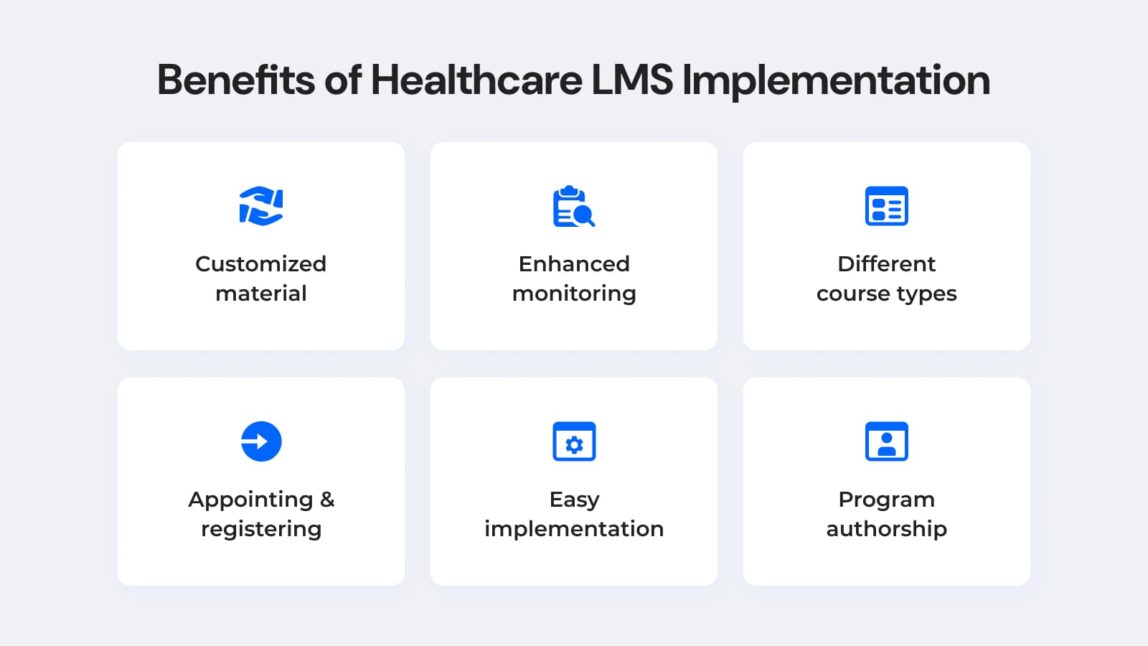
The desire to frequently provide new staff training and development and continuously update existing staff as to changes in the many healthcare regulations present a challenge for healthcare organizations. A well-implemented healthcare LMS addresses these needs by:

  • Streamlining Training: Replacing traditional face-to-face training by automating a course and making it easily accessible.
  • Compliance: Ensuring that the employees are well-versed in all the certifications and the legal working bare minimums.
  • Cost Efficiency: Smoother implementation of LMS minimizes the cost related to using printed material, instructors and class rooms.
  • Improved Outcomes: It also enhances convenience in helping healthcare workers find new resources to enhance overall patient care and safety.

Key Functionalities of a Healthcare LMS

Before diving into the development process, it’s important to outline the core features that will make your Healthcare LMS effective:

1. Compliance Management

It is important that the company’s employees remain compliant with healthcare legislation like HIPAA, OSHA, or GDPR, depending on their area of operation. Recertification is another aspect that your LMS should be able to capture and give alerts or notifications about renewal dates.

2. Course Management

It should be also equipped with tools to create, implement and deliver the healthcare-oriented courses, training modules, quizzes, multimedia and others.

3. Reporting and Analytics

Sophisticated tools for reporting are vital to learners’ progress, the effectiveness and efficiency of the course, and the analysis of training needs.

4. Mobile Accessibility

Healthcare professionals practice in environments that are often time-sensitive so the compatibility of the system with mobile is crucial to provide the learners with training on the go.

5. Assessment and Testing

Concept practicing elements enable institutions to assess the understanding of staff regarding significant healthcare practices.

6. User Roles and Permissions

It is recommended that various roles (admins, instructors, learners) should possess certain permissions; the content with sensitive information should be protected.
How to Build a Healthcare LMS: Steps to Follow

Step 1: Define Your Objectives

The best way to answer this question is to understand first what needs to be achieved by your healthcare LMS. Therefore, the need to look at the particular requirements of the training needs in that organization. Do you need mandated training, such as compliance training continuing medical education (CME,) or are you developing training for new staff? Determine the intended trainees (nurse, doctor, administrative support) and the knowledge deficits related to training that you want to fill in.

Step 2: Choose the Right Platform

Choosing the right platform is one of the most important processes. There’s the option of getting a professionally built one or selecting from readily available LMS for the healthcare industry. Ad hoc solutions are more adaptable and can be easily expanded; however, they are often more expensive and require more time for implementation. For user-created packages, Moodle is suggested as one that can be quickly implemented but may need some adjusting in a medical context or like Blackboard.

Consider factors such as:

  • Scalability: Can it accommodate the growth of your organization?
  • Integration: Another question, will it fit perfectly into the structure of hospital systems like, electronic health records (EHR)?
  • User Experience: It should be very simple for the staff to navigate it despite their technical skills to operate it.

Step 3: Develop Essential Features

Engage your development team to hire the best LMS developers to ensure that some basic functionalities specific to a healthcare LMS are followed (as listed above). You may also want to add other features specific to your organization’s needs.

The system should be able to handle a variety of content types, including videos, lessons, and documents. Use quizzes and knowledge checks to assess users’ progress and confirm what they have strived to realize.

Step 4: Create With compliance and security in mind

Health care in particular, is a very secure field, meaning compliance and security have to come first. Your LMS must meet the requirements of the law, such as the HIPAA for the USA or GDPR for Europe, depending on where you practice.

Key considerations include:

  • Data Encryption: Make data protected both when in transit and when stored.
  • Access Control: Ensure that the users are well authenticated by the password system in order to avoid incidences of profile invasion.
  • Backup and Recovery: Ensure that the system’s backup resources are fully automated to avoid data loss.

Step 5: Test and Launch

The learner management system needs to be tested beforehand so as to ensure that once it is launched the problems are solved. This should encompass the functionality tests (does every component of the software work rightly?), security tests (is the data safe?) and the User Acceptance Testing (is the software easy to use by the end users?).

After the tests, you will implement the LMS and, if needed, offer the requisite training to the instructors/learners on how to navigate it properly.

Final Thoughts

A Healthcare Learning Management System is an investment that will revolutionize training in the healthcare environment, enhance compliance and improve the quality of the services delivered by the staff. Following this guide must put you in a position to create a strong and secure LMS with all the requirements the healthcare sector might need.

They will be crucial in maintaining your organization’s competitiveness as technology advances, as well as preventing noncompliance. At the same time, your staff will be trained on continual and modern lessons to prepare for the complexities of the current and future health systems.

The Basics to Consider About The Health CRM Creation

Customer relationship management within the medical sector allows organizations to boost their overall effectiveness by creating measurable connections between all involved parties — including patients, staff members, referrals, as well as providers. This results in lower costs, enhanced medical services, along with a smoother client experience.

This article will guide you through details of developing Client Relationship Management software for medical field, highlighting its key benefits, features along with challenges to overcome. You will also learn why creating a custom medical CRM from ground up is a strategic long-term investment.

Understanding Healthcare CRM Development

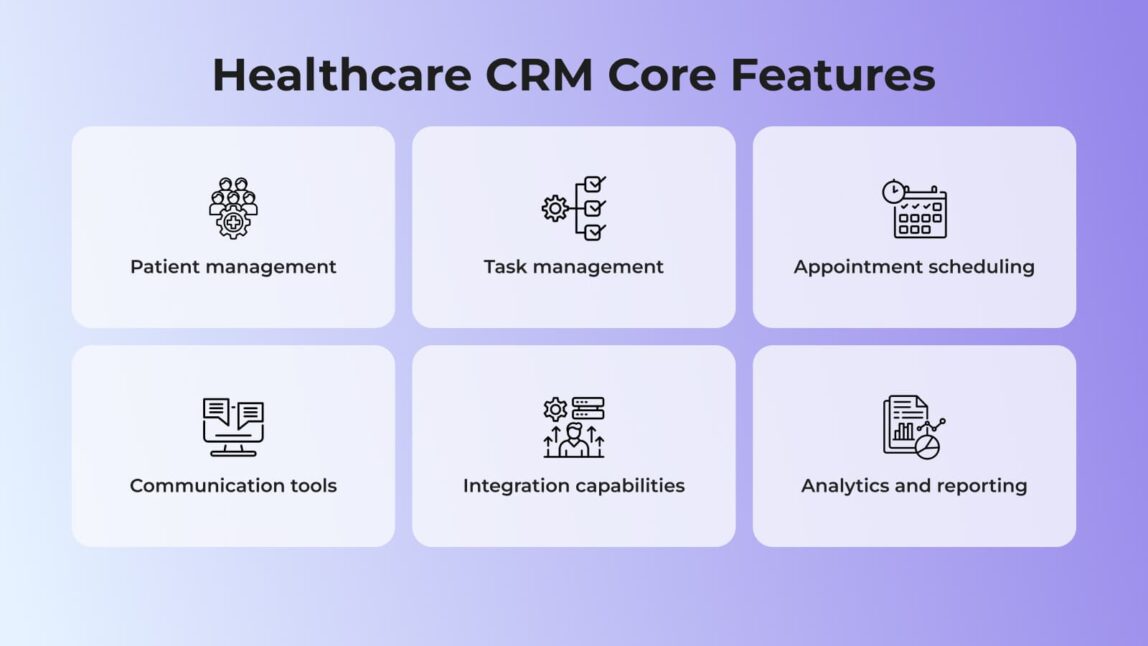
Developing client management software for medical institutions involves creating specialized solutions designed to optimize user interactions, oversee bookings, monitor health records, as well as improve overall satisfaction. For medical service providers, these systems offer a unified platform for efficiently managing user data, appointments, in addition to communication.

Such systems streamline tasks like scheduling and sending notifications, allowing staff to devote more time to direct care. These solutions also facilitate seamless coordination among medical teams, ensuring smooth collaboration as well as information sharing, ultimately leading to better outcomes with greater client satisfaction.

Various features of client management software enhance the user experience by automating and personalizing outreach efforts, such as sending birthday greetings or customized emails, while recording interactions to understand user preferences. The software also helps manage referrals by tracking details about specialists or institutions, supporting direct connections with relevant experts.

These digital platforms store as well as analyze user data, including demographics, health history, insurance details, or social information, to extract valuable insights. This enables medical facilities to create strategies focused on user growth by recognizing patterns and behaviors. Additionally, since these interactions often take place in users’ personal environments, this approach fosters lasting connections between organizations and their clients.

Benefits of CRM Software Development for Healthcare

In order to improve daily operations as well as gain a more extensive knowledge of their clientele, medical organizations frequently employ client relationship management systems. Now let’s examine significance of CRM software in the medical field.

  • It reduces medical errors: Centralizes patient data as well as automates processes, minimizing risks as well as improving patient safety.
  • Boosts patient experience: Enables personalized interactions, proactive communication, and better patient engagement.
  • Secures sensitive data: Implements strong security measures to protect patient information and ensure compliance.
  • Manages patient data effectively: Centralizes and streamlines patient information for smoother decision-making and care coordination.
  • Optimizes internal tasks: Automates administrative processes and improves resource management for higher efficiency.
  • Collects service feedback: Gathers and analyzes patient feedback to enhance care quality and patient satisfaction.

Partnering with a reliable healthcare software development company can help organizations fully leverage these benefits and implement a CRM system that aligns with their specific operational needs.

Types of Medical CRM 

Below, we outline key types of health client management software essential for enhancing user care, streamlining administrative tasks, in addition to improving overall operational management.

The CRM solution is a powerful tool that improves interactions between service providers and clients. It is essential for handling communication, scheduling appointments, fostering engagement while promoting collaboration with professionals; ultimately elevating user care.

The Analytics solution is a data-driven asset that leverages information to support decision-making for better outcomes. By unifying data from multiple sources, including electronic records, it offers valuable insights into user demographics, treatment effectiveness alongside resource allocation, enhancing comprehensive management.

The Referral Management solutions are designed to streamline and optimize referral process within service systems. These solutions play a critical role in efficient operations by managing and tracking client referrals effectively, ensuring clear communication between referring as well as receiving specialists, thereby boosting overall network productivity.

Clinical Healthcare client relationship managing solution must be purpose-built to assist healthcare professionals in managing and organizing clinical workflows. These systems are frequently integrated with Electronic Health Records (EHRs) during healthcare CRM development and support care coordination, documentation, and treatment planning.

How Healthcare CRM Works  

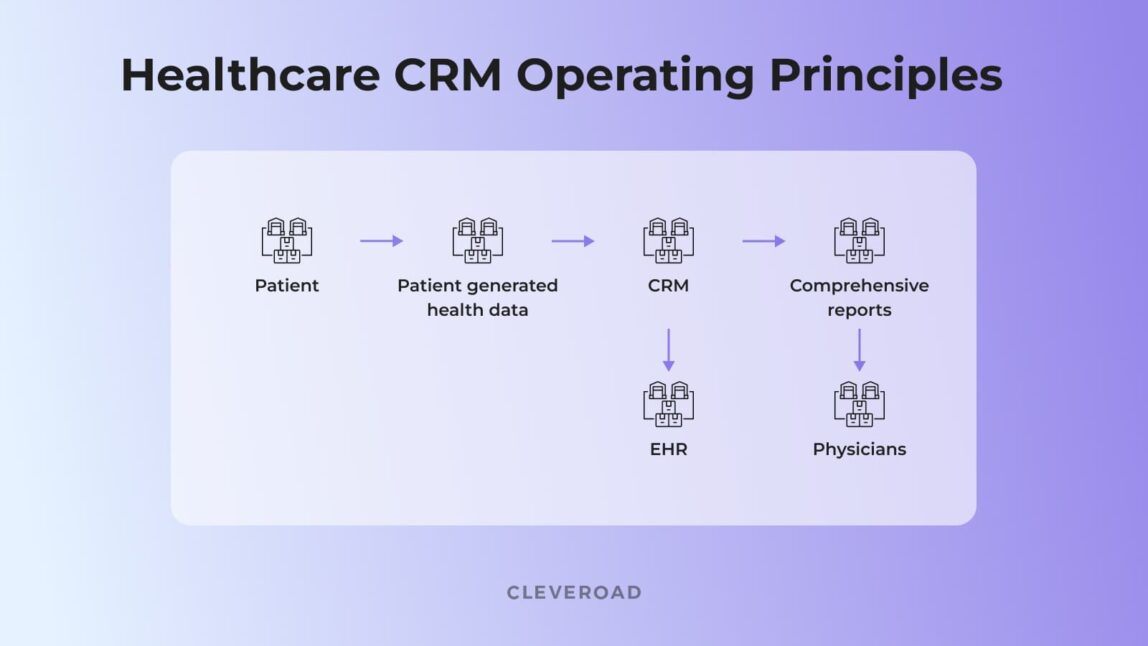
Let’s take a closer look at the empowering capabilities of healthcare CRM. By offering a detailed understanding of patients, these tools enable administrators and physicians to better address the needs of healthcare facilities, thereby enhancing effectiveness of medical services.

The development of healthcare CRM software grants health organizations the benefit of gaining a deeper understanding of their clientele. With this goal in mind, healthcare CRM tools can evaluate data and identify various patterns related to patients, such as sincerity, attendance, no-show rates, physician referrals, and the success of outreach efforts. This information can help physicians improve their interactions with each patient, thereby enhancing care.

The health of high-risk patients can be significantly jeopardized if there is a delay of a few months for an essential scan or blood test. To mitigate this, hospitals implement healthcare CRM systems that facilitate automated reminders for timely appointments. These reminders are dispatched via emails, phone calls, and text messages. Once hospital staff input patient information into the system, the software takes over management of these details.

A medical CRM platform aids healthcare providers in gathering patient feedback to gauge their experiences. This feedback can lead to service enhancements and an improved patient experience for both doctors and administrators. A healthcare CRM automates the process of distributing and collecting feedback.

Conclusion

We’ve disclosed the basics you should know about healthcare CRM development. If you want to know more about it, you should contact the skilled healthcare software development vendor. The vendor’s specialists can guide you through the process, offer tailored solutions, and help implement a CRM system that meets your healthcare organization’s specific needs.

Self-help and independence: how individuals with autism can develop life skills

Understanding life skills: what they are and why they matter

Life skills refer to the abilities necessary to handle various tasks and challenges in daily life. For individuals with autism, developing these skills is crucial for enhancing independence and improving overall quality of life. Life skills encompass a range of competencies, including personal hygiene, meal preparation, household management, and social interactions. Understanding the importance of these skills helps in recognizing that they are not merely tasks but essential tools for self-sufficiency.

Developing life skills can significantly reduce reliance on caregivers, foster a sense of achievement, and promote confidence. By focusing on these skills, individuals with autism can engage more fully in their communities, participate in social activities, and pursue educational and employment opportunities. Therefore, fostering these skills should be a priority for families, educators, and support professionals alike.

Practical strategies for building daily living skills

Building daily living skills involves practical, hands-on experiences. One effective strategy is breaking tasks into manageable steps, allowing individuals to learn gradually without feeling overwhelmed. For instance, when teaching cooking skills, start with simple recipes that require minimal ingredients and equipment. Gradually increase the complexity of the tasks as confidence grows.

Visual aids and checklists can also be invaluable tools in teaching life skills. They provide clear, step-by-step guidance, allowing individuals to follow along and complete tasks independently. For example, a visual schedule for morning routines can help someone with autism understand the sequence of tasks, from brushing teeth to getting dressed.

Role-playing can be another effective method for practicing skills in a safe environment. Whether it’s grocery shopping or handling a job interview, practicing these scenarios can prepare individuals for real-life situations. Additionally, incorporating technology, such as apps designed for skill-building, can make learning engaging and interactive. Overall, patience and positive reinforcement play key roles in encouraging progress and celebrating achievements, no matter how small.

Social skills development: navigating interactions and relationships

Social skills are crucial for forming relationships and participating in community life. Individuals with autism may face challenges in understanding social cues, which can lead to difficulties in communication and interaction. Therefore, targeted social skills training is essential for developing these competencies.

One approach is to use social stories, which are short narratives that depict various social situations and appropriate responses. These stories can help individuals understand social expectations and learn how to react in different scenarios. For instance, a social story about attending a birthday party can outline what to expect and how to interact with others.

Group activities, such as team sports or clubs, provide valuable opportunities for practicing social skills in real-time. These settings allow individuals to learn teamwork, communication, and conflict resolution. It is important to create a supportive environment where individuals feel comfortable making mistakes and learning from them.

Furthermore, modeling appropriate social behaviors is crucial. Caregivers and educators should demonstrate effective communication, active listening, and empathy, allowing individuals to observe and imitate these behaviors. With time, practice, and support, individuals with autism can develop the social skills necessary for meaningful interactions and relationships.

Utilizing Technology for Skill Acquisition and Independence

In today’s digital age, technology offers a wealth of resources to assist individuals with autism in developing life skills. Various apps and tools are designed specifically for skill-building, making learning more engaging and accessible. For example, apps that focus on budgeting and money management can help individuals learn to handle finances, while cooking apps can provide step-by-step video instructions for meal preparation.

Additionally, wearable technology, such as smartwatches, can help individuals manage their schedules and daily tasks. Reminders for medication, appointments, and social activities can promote independence and responsibility.

Online forums and support groups can also provide a sense of community and shared experiences. Connecting with others facing similar challenges can offer emotional support and practical advice.

Moreover, virtual reality (VR) technology has emerged as a promising tool for social skills training. VR programs can simulate real-life scenarios, allowing individuals to practice interactions in a controlled, safe environment. This technology can be especially beneficial for those who may feel anxious in social situations, providing a space to build confidence and experience.

Encouraging Independence: The Role of Family and Caregivers

Family members and caregivers play a crucial role in fostering independence in individuals with autism. Encouragement, patience, and understanding are essential in this journey. It’s important to set realistic goals and recognize that independence is a gradual process that varies for each individual.

Involving individuals in decision-making processes can empower them and enhance their confidence. Allowing them to choose their clothes, meals, or activities promotes a sense of ownership and responsibility.

Creating a supportive environment at home is also key. This may involve establishing routines that promote independence, such as designated chores or responsibilities. The use of visual schedules and reminders can help individuals manage their tasks effectively.

Additionally, caregivers should celebrate successes, no matter how small. Positive reinforcement can motivate individuals to continue developing their skills and striving for independence.

Ultimately, the journey toward independence for individuals with autism requires collaboration, understanding, and a commitment to fostering skills that will enhance their lives. By focusing on self-help and independence, we can empower individuals with autism to lead fulfilling, autonomous lives.

Support for parents and caregivers: tips for self-care and stress management

The importance of self-care: why caregivers need to prioritize themselves

Caregiving, especially for individuals with autism, can be both rewarding and challenging. However, many parents and caregivers often overlook their own needs in the hustle of daily responsibilities. Prioritizing self-care is crucial not only for personal well-being but also for providing the best support to those in their care. When caregivers neglect their own physical and emotional health, it can lead to burnout, increased stress levels, and even resentment.

By recognizing the importance of self-care, caregivers can recharge their energy, enhance their resilience, and maintain a more positive outlook. Self-care isn’t selfish; it’s a necessity. Taking time for oneself allows caregivers to better manage their responsibilities and face daily challenges with renewed strength. This can include simple practices like setting aside time for hobbies, exercising, or even enjoying a quiet moment with a book.

Recognizing signs of stress: understanding your emotional and physical well-being

Understanding the signs of stress is the first step in managing it effectively. Caregivers often experience various symptoms, such as fatigue, irritability, sleep disturbances, and feelings of overwhelm. Emotional signs might include anxiety, sadness, or feelings of isolation. Recognizing these symptoms early can prevent them from escalating into more serious mental health issues.

It’s important to regularly check in with yourself and assess your emotional and physical well-being. Are you feeling more tired than usual? Do you find yourself getting easily frustrated? Taking note of these changes can help you identify when you need to take a break or seek support. Engaging in open conversations with friends or professionals about these feelings can also help you gain perspective and identify coping strategies.

Practical self-care strategies: simple ways to recharge and rejuvenate

Incorporating practical self-care strategies into your daily routine can significantly improve your well-being. Here are a few effective ways to recharge:

Schedule “Me Time”: Dedicate time in your week specifically for activities you enjoy, whether it’s reading, gardening, or pursuing a hobby. Treat this time as an appointment that cannot be missed.

Physical Activity: Exercise is a powerful stress reliever. Even a short walk can help clear your mind and boost your mood. Find an activity you enjoy, whether it’s yoga, dancing, or going for a run, and make it a regular part of your routine.

Mindful Moments: Practice mindfulness techniques, such as deep breathing exercises or meditation. These practices can help center your thoughts and reduce anxiety.

Healthy Eating: Nutrition plays a significant role in how you feel. Aim for balanced meals rich in fruits, vegetables, and whole grains.

Connect with Others: Sharing experiences with fellow caregivers can be therapeutic. Consider joining support groups or forums, either in-person or online.

Additionally, for those looking for a way to unwind, exploring alternatives like vaping can be an option. Many caregivers find that products from stores like Doctor Vape provide a relaxing way to take a break. Whether it’s using e-cigarettes or other vaping products, it’s essential to consider personal preferences and ensure any choice aligns with health goals.

Building a support network: the role of community and connection

Building a strong support network is vital for caregivers. Having people to share experiences with can alleviate feelings of isolation and provide emotional support. Consider reaching out to family, friends, or other caregivers to create a community that understands the unique challenges of caregiving.

Support groups, whether in-person or online, can offer invaluable resources and encouragement. These groups allow caregivers to share their experiences, exchange coping strategies, and simply connect with others who understand their journey. The relationships formed in these networks can be a lifeline during tough times, reminding caregivers that they are not alone in their struggles.

Additionally, don’t hesitate to ask for help when needed. Whether it’s hiring a babysitter for a few hours or seeking assistance from professionals, recognizing when you need support is a crucial aspect of self-care.

Mindfulness and relaxation techniques: finding calm in daily life

Incorporating mindfulness and relaxation techniques into your daily life can significantly reduce stress levels. Mindfulness involves being present in the moment and fully engaging with your surroundings, which can help calm racing thoughts. Simple practices such as mindful breathing, progressive muscle relaxation, or guided imagery can be integrated into your routine, offering moments of peace amidst daily chaos.

Taking a few minutes each day to practice these techniques can lead to improved mental clarity and emotional resilience. Apps for meditation and relaxation can also be beneficial, providing structured guidance and tools to help you relax.

Ultimately, finding what works best for you is key. Each person’s journey to self-care is unique, and experimenting with different techniques can help you discover effective ways to manage stress and nurture your well-being. Prioritizing self-care is an ongoing process that requires dedication, but the benefits for both you and those you care for are immeasurable.

By focusing on self-care and stress management, caregivers can foster a healthier and more balanced lifestyle, allowing them to provide the best possible support for their loved ones.

Embracing Diversity, Empowering Lives: How Your Support Transforms the World of Autism

In the tapestry of human existence, the threads of diversity intertwine to create a rich, vibrant picture. Among these threads, individuals with autism spectrum disorder (ASD) add unique patterns and colors, each one distinct, each one invaluable. Autism Awareness Month offers us a momentous opportunity to recognize, celebrate, and advocate for the rights, needs, and dreams of people with autism. At Autism Florida, we’re dedicated to shining a light on autism, dispelling myths, and fostering a society that embraces all its members with warmth, respect, and understanding. This article invites you on a journey—a journey to understand autism not as a limitation, but as a different way of experiencing the world, and to see how, with your help, we can make a significant difference in the lives of those on the autism spectrum.

Autism spectrum disorder (ASD) is a complex developmental condition that involves persistent challenges in social interaction, speech and nonverbal communication, and restricted/repetitive behaviors. The effects of ASD and the severity of symptoms are different in each person. This diversity means there is no one-size-fits-all approach to providing support, making personalized care and understanding crucial.

Early diagnosis and intervention are key to helping individuals with autism achieve their full potential. However, access to these essential services is not universal. Socioeconomic factors, geographic location, and lack of awareness can all be barriers to early diagnosis. By supporting organizations dedicated to autism, you help provide resources for early intervention programs, training for professionals, and support for families navigating the diagnosis process.

Unveil the excitement of playing with free spins at Greece’s premier online casinos via livecasinosgreek.com. Here, you’ll find a curated list of casinos offering generous free spins bonuses, giving you extra rounds on some of the most popular slots. Perfect for both new and veteran players, these free spins can dramatically increase your playtime and potential wins. For access to exclusive free spins deals, head over to https://livecasinosgreek.com/en/bonuses/free-spins/.

The Role of Education and Inclusion

Inclusive education is vital for fostering understanding and acceptance from a young age. Schools play a crucial role in shaping the attitudes of future generations. By advocating for inclusive educational practices, we can ensure that children with autism receive the support they need to thrive alongside their peers. This not only benefits students with ASD but enriches the educational experience for all children, teaching them the values of diversity, empathy, and cooperation.

Support for individuals with autism does not end in childhood. Adults with ASD also face significant challenges, from securing employment to finding suitable housing and accessing healthcare. Many adults with autism have unique talents and perspectives that, if nurtured, can lead to fulfilling careers and contributions to society. By supporting programs that focus on job training, life skills, and social integration, we can help open doors of opportunity and independence for adults on the spectrum.

Misconceptions and stigma surrounding autism can lead to isolation and discrimination. By raising awareness and educating the public, we can challenge these stereotypes and create a more accepting and inclusive society. Awareness campaigns, community events, and educational materials play a crucial role in changing perceptions and encouraging empathy and understanding.

Every action, no matter how small, contributes to a larger change. By supporting individuals with autism, we not only help them to live more fulfilling lives, but we also enrich our communities and society as a whole. It’s about creating a world where everyone is valued for their unique contributions, where diversity is celebrated, and where every individual has the opportunity to reach their full potential.

Autism Awareness Month is a call to action—a reminder that with your help, we can break down barriers and build a more inclusive world. At [Autism Florida](https://www.autismfl.com/), we’re committed to this mission every day. Join us in making a difference. Your support, whether through time, donations, or advocacy, is invaluable in our journey towards empowerment, acceptance, and a brighter future for all.

With your help, we’re not just supporting individuals with autism; we’re transforming lives, communities, and perspectives. Let’s embrace this journey together, with open hearts and minds, ready to learn, support, and advocate for those in need. The world of autism is vibrant and diverse, and with your support, we can illuminate it in the most beautiful light.

A Community of Support: The Impact of Your Involvement

Your involvement in the autism community, whether as a volunteer, donor, advocate, or educator, has a ripple effect that extends far beyond the individual lives you touch. It fosters a culture of empathy, understanding, and respect that transcends the boundaries of the autism community, influencing society at large. By participating in and supporting autism awareness initiatives, you contribute to a movement that values diversity and seeks to include all people, regardless of their neurological makeup, in the rich fabric of community life.

Empathy is the cornerstone of creating an inclusive environment for individuals with autism. It’s about more than just understanding what another person is going through; it’s about sharing their feelings and, in doing so, bridging the gap between differing perceptions of the world. When we approach autism support with empathy, we open our minds to the unique challenges faced by individuals on the spectrum and their families. This empathetic approach is vital in developing programs and interventions that truly meet the needs of those affected by autism.

The concept of neurodiversity has been gaining momentum, emphasizing that neurological differences should be recognized and respected as any other human variation. This perspective encourages us to celebrate the unique strengths and contributions of individuals with autism, rather than focusing solely on the challenges they face. By embracing neurodiversity, we acknowledge the vast potential of every individual and the idea that everyone has something valuable to contribute to society.

For many families navigating the journey of autism, the sense of community and connection with others who understand their experiences can be incredibly affirming and empowering. Autism Florida and similar organizations strive to build strong, supportive communities where families and individuals with autism can share their stories, challenges, and triumphs. Through support groups, online forums, and community events, individuals with autism and their families find not just resources, but also friendship, understanding, and a sense of belonging.

Advancements in technology have opened new doors for individuals with autism, offering tools for communication, learning, and self-expression that were previously unimaginable. From apps that assist with language development to virtual reality programs that help with social skills training, technology plays a crucial role in empowering individuals with autism to navigate their world more effectively. Supporting initiatives that leverage technology for autism can help ensure that these innovative tools are accessible to those who can benefit from them the most.

As we look to the future, the continued support and involvement of the community will be crucial in advancing the cause of autism awareness and inclusion. Ongoing research into the causes, interventions, and supports for autism not only promises to enhance our understanding of the spectrum but also to develop more effective ways to support individuals with autism throughout their lives. Your involvement and support fuel this progress, making a future of greater understanding, acceptance, and inclusion possible.

As Autism Awareness Month draws to a close, let us carry forward the spirit of understanding, acceptance, and advocacy that defines this important time. Let’s continue to educate ourselves and others, advocate for inclusive policies, and support programs that empower individuals with autism. Together, we can create a society where everyone, regardless of neurological differences, is valued, understood, and given the opportunity to thrive.

Your support, whether through time, resources, or spreading awareness, is a testament to the power of community and the belief that everyone deserves to lead a full and vibrant life. At Autism Florida, we’re grateful for every individual who joins us in this mission. Together, we are not just changing lives—we are redefining what it means to embrace diversity and empower every individual to reach their highest potential.

Building Bridges of Understanding: Advocacy and Education

Advocacy and education are vital components of creating a more inclusive society for individuals with autism. By raising awareness and promoting understanding, we can break down barriers and foster environments where everyone feels valued and respected. Advocacy efforts aimed at improving access to services, accommodations, and opportunities for individuals with autism are essential in ensuring that their rights are upheld and their voices are heard. Education plays a critical role in dispelling myths and misconceptions surrounding autism, fostering empathy, and promoting acceptance. By incorporating autism awareness and acceptance into school curricula, we can cultivate a generation of young people who embrace diversity and advocate for the rights of all individuals.

Supportive environments are crucial for individuals with autism to thrive. This begins within the home, where families play a central role in providing love, support, and understanding. By equipping families with the resources and knowledge they need to support their loved ones with autism, we can create strong foundations for growth and development. Beyond the home, communities have a role to play in creating inclusive spaces where individuals with autism feel welcome and supported. This includes businesses, public spaces, and recreational activities that are designed with the needs of individuals with autism in mind. By working together to create supportive environments, we can ensure that individuals with autism have the opportunity to participate fully in community life.

As we reflect on Autism Awareness Month and the strides that have been made in promoting understanding, acceptance, and inclusion, let us recommit ourselves to the ongoing work of advocacy and support. By standing together as a community, we can create a world where individuals with autism are valued, respected, and given the opportunity to reach their full potential. Your support, whether through volunteering, donating, or simply spreading awareness, makes a difference in the lives of individuals with autism and their families. Together, we can build a more inclusive society where everyone belongs and where diversity is celebrated as a source of strength.

At Autism Florida, we are grateful for your support and partnership in this important work. Together, we can continue to make progress towards a future where individuals with autism are empowered to live meaningful and fulfilling lives. Thank you for joining us in this journey of acceptance, understanding, and advocacy. With your help, we can create a world where everyone has the opportunity to shine.

Nurturing Neurodiversity: The Journey with an Autistic Family Member

Living with a family member with autism opens up a world of both challenges and triumphs, paving a path that strengthens their bond through understanding, adaptation and love. Autism Spectrum Disorder (ASD) manifests itself in different ways, affecting the lives of each family member in different ways. One can and should test their uniqueness for people with autism and ordinary people alike at casinossinlicencia.org . This unique journey unfolds a narrative of resilience, empathy, and deep connection, offering insight into the nuanced world of neurodiversity.

Understanding Autism Spectrum Disorder

Autism is a developmental disorder characterized by differences in social interaction, communication, and behavior. The “spectrum” reflects the wide range of experiences and abilities of those with autism, from highly skilled to significantly challenged.

Core Challenges

  • Social Communication: Difficulties in understanding social cues, maintaining conversations, and forming friendships.
  • Behavioral Patterns: Repetitive behaviors, insistence on sameness, and varied interests.
  • Sensory Sensitivities: Over- or under-sensitivity to sensory inputs like sound, light, and texture.

Family Dynamics and Strategies

Living with autism affects each family member uniquely, prompting strategies that cater to individual needs while fostering a supportive environment.

Adaptive Strategies for Families

  • Routine and Predictability: Creating a structured environment helps reduce anxiety for autistic individuals.
  • Communication Techniques: Employing non-verbal methods, such as picture boards or sign language, enhances understanding.
  • Inclusive Education: Tailoring educational approaches to include visual, auditory, and kinesthetic learning styles.

Emotional and Social Support

Emotional support for people with autism is not just beneficial; it is a cornerstone of their ability to thrive. This article explores the profound impact of emotional support on individuals with ASD, shedding light on its importance for enhancing quality of life, fostering independence, and promoting understanding and acceptance in society.

Understanding Autism Spectrum Disorder

Autism Spectrum Disorder is a neurodevelopmental condition characterized by differences in social interaction, communication, and sensory sensitivities, as well as the presence of repetitive behaviors and interests. People with ASD often experience the world more intensely; their perception of sensory inputs can be heightened, and understanding social norms and cues can be challenging.

The Vital Role of Emotional Support

Emotional support for individuals with autism involves more than just empathy or kindness. It encompasses a range of actions, attitudes, and approaches that recognize and respect the individual’s experiences, challenges, and needs.The most important support from:

  • Sibling Support Programs: Engaging in programs that address the specific needs and concerns of siblings of autistic individuals.
  • Parental Self-Care: Encouraging parents to take time for themselves, ensuring their own emotional and physical well-being.
  • Community Engagement: Joining autism support groups and engaging in community activities that promote understanding and inclusivity.

The Ripple Effect on Family Members

The presence of an autistic individual in a family can have varied impacts, necessitating adjustments and fostering growth. The table below illustrates these dynamics:

Family MemberImpactSupport Strategies
ParentsIncreased stress and responsibilityRespite care, counseling, support groups
SiblingsFeeling of neglect, increased pressureIndividual attention, sibling support programs
GrandparentsUncertainty on how to assistEducation on autism, specific ways to offer support

Highlighting Strengths and Successes

Focusing on the strengths and unique abilities of autistic individuals not only boosts their confidence but also enriches family life. Their unique perspectives can lead to creative problem-solving, detailed knowledge in specific areas, and unwavering honesty.

Engaging with the World: FAQs

  • Q: How can we help our autistic family member develop social skills?
    • A: Encourage participation in social skills groups tailored for individuals with ASD. Practice and role-play social scenarios at home in a comfortable setting.
  • Q: What educational accommodations are effective for autistic students?
    • A: Individualized Education Programs (IEP), tailored curricula, and sensory-friendly learning environments can significantly enhance educational outcomes.
  • Q: How can we as a family cope with societal misunderstandings about autism?
    • A: Education and advocacy are key. Sharing your experiences and promoting awareness about autism can help dispel myths and foster a more inclusive society.
  • Q: Can autistic individuals lead independent lives?
    • A: Yes, with varying degrees of support, many autistic individuals can achieve independence. Career development programs, life skills training, and supportive living environments can facilitate this process.

Conclusion

The journey with an autistic family member is one of continuous learning, adaptation, and unconditional love. It demands resilience but offers unparalleled rewards in the depth of connections forged and the mutual growth experienced. By embracing neurodiversity, families not only support their autistic member but also advocate for a world that recognizes and celebrates the rich tapestry of human experience. Through understanding, patience, and advocacy, the narrative of autism can be one of empowerment, inclusion, and joy.

Living with Autism: Challenges, Coping Strategies, and Support

Autism spectrum disorder (ASD) is a neurodevelopmental condition that affects an individual’s ability to communicate, interact socially, and engage in repetitive behaviors. Living with autism presents unique challenges, but with understanding, support, and effective coping strategies, individuals with autism can lead fulfilling lives. In this article, we’ll explore the experience of living with autism, the challenges it presents, strategies for coping, and the importance of support from others.

Challenges of Living with Autism:

Social Difficulties: social difficulties are common among individuals with autism spectrum disorder (ASD). These challenges stem from deficits in social communication and interaction skills, which are core features of autism. Here are some aspects of social difficulties experienced by individuals with autism:

Difficulty in Understanding Social Cues: People with autism often struggle to interpret non-verbal cues such as facial expressions, body language, and tone of voice. They may have difficulty understanding sarcasm, irony, or other subtle forms of communication.

Limited Social Initiation and Reciprocity: Individuals with autism may find it challenging to initiate social interactions or maintain reciprocal conversations. They may struggle with taking turns during conversations or understanding the appropriate timing for speaking.

Difficulty in Developing Friendships: Building and maintaining friendships can be challenging for individuals with autism. They may have difficulty understanding the unwritten social rules governing friendships, such as sharing interests, empathy, and understanding social boundaries.

Social Anxiety and Withdrawal: Due to difficulties in social situations, individuals with autism may experience heightened levels of social anxiety. They may avoid social interactions altogether or prefer solitary activities to avoid the stress associated with socializing.

Bullying and Social Exclusion: Unfortunately, individuals with autism are at an increased risk of being bullied or socially excluded by their peers. Their differences in social behavior and communication may make them targets for bullying, further exacerbating their social difficulties.

Challenges in Employment and Higher Education: Social difficulties can also impact individuals with autism in educational and professional settings. They may struggle with team collaboration, networking, and navigating the social complexities of the workplace or college environment.

Sensory Sensitivities: Many individuals with autism experience heightened sensitivity to sensory stimuli such as lights, sounds, textures, and smells. This sensitivity can lead to sensory overload and discomfort in various environments.

Repetitive Behaviors: Repetitive behaviors, such as rocking, hand-flapping, or echolalia, are common in individuals with autism. While these behaviors can serve as coping mechanisms, they may also interfere with daily functioning and social interactions.

Coping Strategies:

Structured Routine: Establishing a predictable daily routine can provide a sense of security and stability for individuals with autism. Consistent schedules and visual supports, such as calendars or checklists, can help reduce anxiety and improve organization.

Sensory Regulation: Sensory sensations play a significant role in the lives of people with autism. For many of them, these sensations can be particularly intense and impact their behavior, emotional state, and ability to function in daily life.
Here are some characteristics of sensory sensations in people with autism:

  • Sensitivity to sounds: Many people with autism may experience hyperacusis, meaning an increased sensitivity to sounds. Even ordinary noises, such as a phone ringing or the sound of a fan, can cause them stress and discomfort.
  • Sensitivity to light and brightness: Lighting conditions can be crucial for people with autism. They may experience discomfort in bright lighting or, conversely, prefer dark and subdued environments.
  • Sensitivity to smells and tastes: Some individuals with autism may have an increased sensitivity to smells and tastes. They may refuse certain foods due to their texture, smell, or taste.
  • Sensitivity to textures and sensations on the skin: For some people with autism, certain sensations on the skin, such as roughness or fabric texture, can be unpleasant or even painful.
  • Sensitivity to movement and touch: Some individuals with autism may have hypersensitivity to physical contact or movements. Light touch or even soft touches can cause them discomfort or pain.

Social Skills Training: Social skills training programs can teach individuals with autism essential social skills, such as turn-taking, initiating conversations, and interpreting social cues. Role-playing and behavioral modeling are often used in these programs to reinforce learning.

Support from Others:

  • Family Support: Family members play a crucial role in supporting individuals with autism. Providing understanding, patience, and encouragement can help individuals with autism navigate daily challenges and achieve their goals.
  • Educational Support: Schools and educational professionals can offer specialized support and accommodations to meet the unique needs of students with autism. Individualized Education Plans (IEPs) and classroom accommodations can facilitate academic success and social inclusion.
  • Community Support: Community organizations, support groups, and autism advocacy networks provide valuable resources and opportunities for individuals with autism and their families to connect with others who share similar experiences.

Living with autism presents various challenges, but with the right support and coping strategies, individuals with autism can thrive and lead meaningful lives. By raising awareness, fostering understanding, and promoting acceptance, we can create a more inclusive society where individuals with autism are valued and supported.

Question and Answer Block:

  • What are some common challenges faced by individuals with autism?
  • How can structured routines benefit individuals with autism?
  • What role do family members play in supporting individuals with autism?