
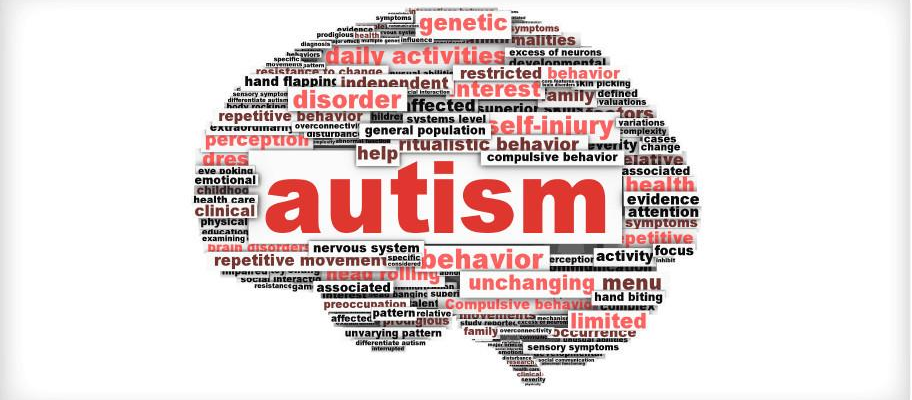
As ASD is a developmental disability that can cause significant social, communication, and behavioral challenges. When interacting with a child who has ASD, it is important to be respectful and understanding. But how exactly?
What is Autism Spectrum Disorder
Autism Spectrum Disorder is a condition that affects a person’s social skills, communication, and behavior. Individuals with ASD often have difficulty interacting with others and may engage in repetitive behaviors. ASD is a spectrum disorder, which means that there is a wide range of symptoms and severity levels.
It is estimated that 1 in 59 children has ASD, according to the Centers for Disease Control and Prevention.
People with autism spectrum disorder (ASD) often have unique strengths and abilities that make them successful in a variety of fields. With the right job fit and workplace accommodations, people with ASD can thrive in the workforce.
Autism Spectrum Disorder Symptoms
The symptoms of ASD can vary widely, but there are some common signs. They may include:
- difficulty with social skills and interactions,
- problems with verbal and nonverbal communication,
- hyper- or hypo-sensitivity to sensory input,
- repetitive behaviors or interests.
Some people with ASD are highly functioning and only need minor support, while others may require more significant levels of support.
Tips to Communicate with a Child Who Has Autism Spectrum Disorder
There is no one-size-fits-all approach to interacting with a child who has ASD, as each individual is unique and experiences the world in their way. However, some general guidelines can help interact with a child with ASD.
- Make sure the child has your full attention before you begin speaking to them. Look at them directly and use a calm, pleasant tone of voice. Avoid speaking in a loud or exaggerated way, as this can be overwhelming or disturbing to the child.
- Keep your questions short. Yes/no questions can be especially helpful, as they are easier for the child to process and answer.
- Be patient when waiting for a response from the child. Some children with ASD may have difficulty communicating verbally, so it may take them longer to answer your question or respond to you.
- Be aware of your body language and facial expressions. Children with ASD are often more attuned to nonverbal cues than verbal ones, so it’s important to make sure that your body language is consistent with what you’re saying. For example, if you say “I’m happy to see you” but have a neutral or negative facial expression, the child may be confused or mistrustful.
- Respect the child’s personal space and avoid invading their bubble unless you have been invited to do so. Some children with ASD may not like to be touched, even by people, they know well, so it’s important to ask before hugging or touching the child in any way.
- Be aware of the child’s sensory needs and try to accommodate them if possible. For example, if you know that the child does not like loud noises, avoid making sudden noises or speaking too loudly near them. If the child likes to move around frequently, try to provide them with opportunities to do so during your interaction (e.g., let them walk around while you talk).
- Be flexible in your interactions with the child and be prepared to change plans if necessary. Children with ASD can sometimes become fixated on certain topics or activities and may have difficulty transitioning to new tasks or activities—if this happens, try to redirect the child’s attention in a gentle way (e.g., “I see you’re interested in that toy truck—would you like to play with it after we finish our conversation?”).
- Finally, resist the urge to compare the child’s behavior or abilities to those of other children their age—every child develops differently and at their own pace, so comparisons are ultimately meaningless and unhelpful.
Conclusion
Interacting with a child who has ASD can be challenging at times, but it can also be rewarding.
Following these guidelines will not guarantee that your interaction with a child who has ASD will go perfectly—but they will help increase the chances of having a positive interaction that is respectful of the child’s individual needs and preferences.