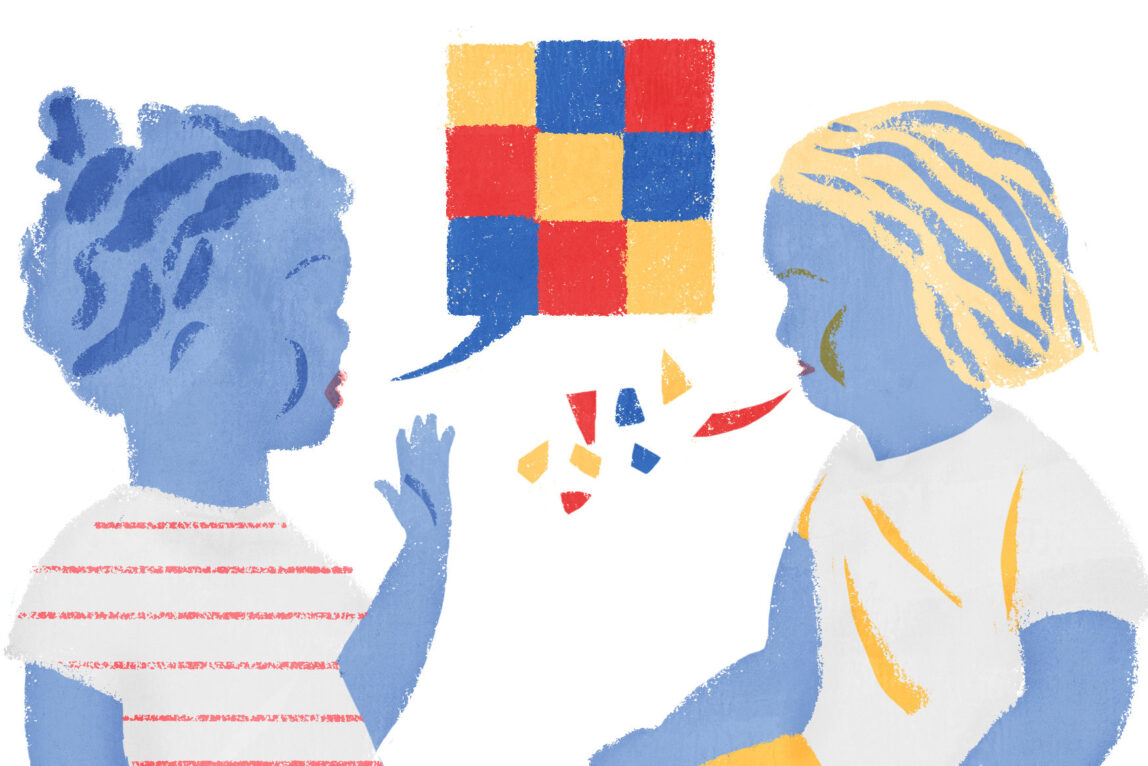
Autism, or Autistic Behavior Disorder (ASD), refers to a wide range of characteristics characterized by problems with social skills, repetitive behavior, speech and non-verbal communication. According to the Centers for Disease Control, autism affects about 1 in 54 children in today’s states.
We know that there are several subtypes of autism that are most affected by a combination of genetic and environmental factors. Autism is a disorder, and every person with autism has its strengths and challenges. The ways in which people with autism learn, think and solve problems can range from highly skilled to serious. Some people with autism may need significant support in their daily lives, while others may need less support and in some cases, live entirely independently.
Several factors can affect the development of autism, and it is often accompanied by sensory sensitivity and medical problems such as gastrointestinal disorders (GIT), seizures or sleep disorders, as well as mental problems such as anxiety, depression and attention deficit syndrome.
Symptoms of autism usually appear between the ages of 2 and 3. Some developmental delays associated with autism may appear even earlier and can often be diagnosed as early as 18 months. Studies show that early intervention leads to positive results later in life for people with autism.
In 2013, the American Psychiatric Association merged four distinct autism diagnoses into one umbrella diagnosis of autism spectrum disorder (ASD). They included autistic disorder, childhood disintegrative disorder, pervasive developmental disorder-not otherwise specified (PDD-NOS) and Asperger syndrome.
Articals
- The Allure of InstaSpin and Its Place in Today’s Digital Leisure Scene
 From Casual Browsing to Immersive Discovery Opening an app or website on a quiet evening often starts with a simple scroll, but platforms built around InstaSpin quickly shift that casual habit into something more structured. The first screen presents rows of colorful grids, each one promising a different tempo and visual style. Players find themselves…
 - Chasing Thrills and Wins: Ice Fishing Adventures in Modern Online Casinos
 Exploring the Digital Casino Lobby with a Fresh Eye The modern online casino lobby feels like a carefully designed marketplace where every section invites immediate interaction. Players enter with a simple click and immediately see a clean layout that groups titles by category, popularity, and provider. The search bar sits prominently at the top, allowing…
 - Inside the High Roller Experience: A Fresh Look at Digital Casino Entertainment
 Understanding the Modern Casino Lobby and Its Many Layers The modern digital casino lobby functions like a carefully curated boutique, where every game category receives its own visual treatment and navigation zone. Players who enter the platform immediately notice how the interface balances bold promotional banners with calm filtering tools that prevent decision fatigue. Instead…
 - Gransino und die neue Art, digitale Unterhaltung im Alltag zu genießen
 Die Entwicklung der Online-Casino-Kultur und moderne Freizeitgewohnheiten Gransino Die letzten Jahre haben gezeigt, wie stark sich die Freizeitgewohnheiten vieler Menschen verändert haben. Während früher ein Abend im Spielkasino oft mit Reisen und Planung verbunden war, bieten digitale Plattformen heute die Möglichkeit, Spiele direkt von zu Hause aus zu genießen. Gransino steht dabei für eine Plattform,…
 - Gate of Olympus Treasure and the Changing Face of Adult Digital Entertainment
 How the experience of online casino culture has shifted in recent years The way people approach adult digital entertainment has moved beyond simple sign-ups and deposit screens. Players now evaluate entire platforms on the quality of their visual design, soundscapes, and the rhythm of their game flow. Online casino culture today feels closer to curated…
Early intervention can change a life.
Research has shown that high-quality early intervention can improve learning, communication and social skills, and stimulate brain development.