The healthcare industry requires healthcare mobile applications as essential components which provide medical services to patients. The systems now function as essential elements which healthcare facilities use to involve patients and conduct remote patient assessments and provide digital treatment and manage their clinical procedures. Hospitals and startups together with healthtech companies develop mobile applications which enable better healthcare access and efficient business operations and assist their organizations with data-based decision making processes.
Healthcare mobile applications need more than user interface design and essential features because the development process requires multiple elements. The ability of an application to deliver actual clinical benefits relies on its assessment of four factors which include security measures and compliance standards and system integration capabilities and scalability for future growth.
The article examines vital elements which create mobile health applications together with the most effective development methods and the main trends which currently define the healthcare mobile application market.
Why Healthcare Mobile Apps Matter in Modern Care Delivery
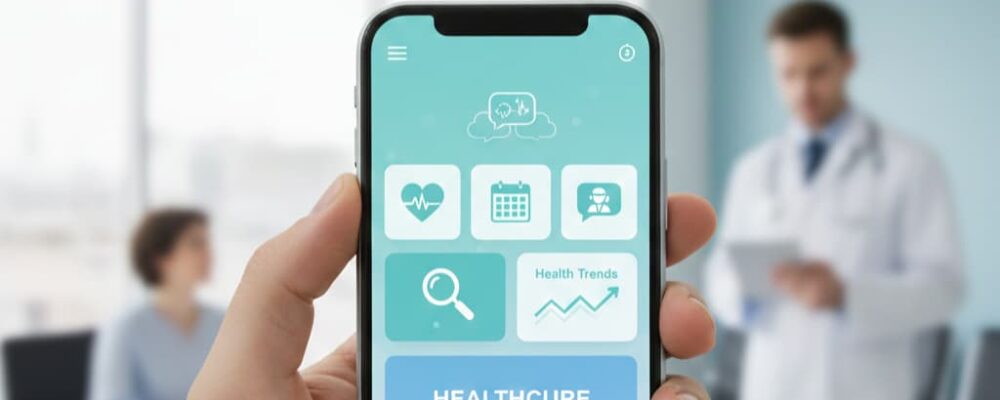
Mobile applications serve both patients and providers.
For patients, apps provide:
- Appointment scheduling
- Appointment
- Telmedicine access
- Medication reminders
- Personal Health Record Access
For providers, apps facilitate:
- Remote Patient Monitoring
- Secure Communication
- Workflow automation
- Access to real-time clinical data
The growing trend of hybrid care systems creates a bigger market for mobile-based healthcare services.
Choosing the Right Development Partner
Healthcare mobile app development needs experts who understand regulatory compliance requirements and system integration processes and implementation of secure architectural systems. The company Cleveroad partners with healthcare organizations to create and deploy secure mobile and web solutions which match clinical workflows and compliance requirements. A medical device consulting firm hired Cleveroad to enhance its document management system which could not handle increased demands. The new solution brought better performance and increased system dependability and easier long-term system upkeep.
Cleveroad worked with a nursing education company to transform its digital platform through a complete redesign and new development of all digital materials. The team created new web and mobile applications through Node.js and AWS development which built an infrastructure that could handle future growth while providing better user experiences. The development of sustainable healthcare applications needs developers who possess expertise in modernizing healthcare systems and building cloud-based systems and implementing predictive analytics and ensuring compliance with regulations.
Essential Features of Healthcare Mobile Apps
The process of selecting features needs to consider both the target audience and the specific application requirements. The majority of successful healthcare applications include several essential functions which operate as their fundamental capabilities.
Secure Authentication and Data Protection
Healthcare apps usually deal with confidential information. Security is the foundation.
These elements include:
- Multi-factor authentication
- Role-based access control
- End-to-end encryption
- Secure cloud infrastructure
Factors like compliance, which refer to rules such as HIPAA or GDPR, affect system architecture from inception.
Telemedicine and Communication Tools
Telehealth functionality has become a standard requirement for all healthcare systems. The main system elements of the system include:
- Secure video consultations
- In-app messaging
- File sharing for medical records
- Appointment reminders
The system needs to maintain operational performance for its features throughout different network conditions.
EHR and System Integration
Healthcare mobile applications rarely act as freestanding applications. Integration with Electronic Health Record systems, also known as hospital management systems, is essential.
Common Integration Approaches:
- HL7 or FHIR standards
- API-based synchronisation
- Cloud-based Interoperability Framework
In the absence of integration, data silos create a lack of clinic.
Remote Patient Monitoring
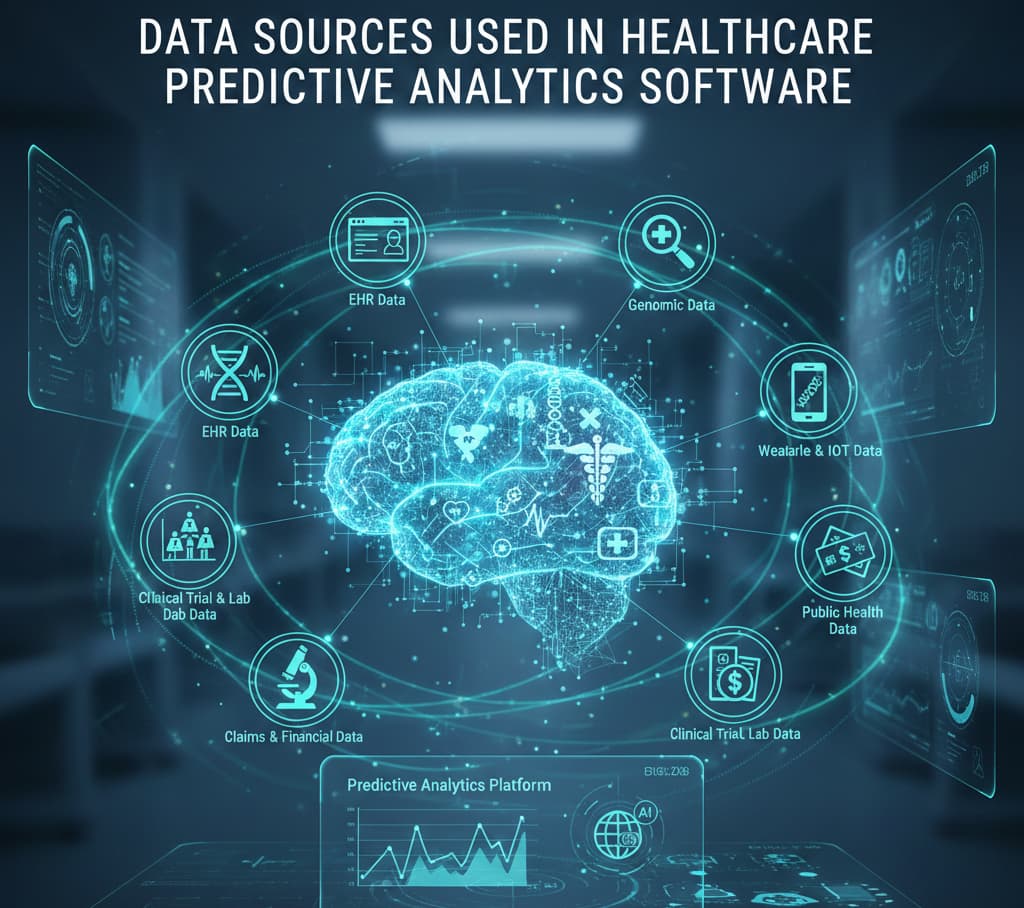
Chronic disease management depends more on connected devices to monitor patient health.
Healthcare applications support integration with two devices which include:
- Blood pressure monitors
- Glucose sensors
- Wearable devices
- IoT-based medical equipment
The use of real-time alerts enables medical professionals to detect health issues earlier which decreases the need for hospital readmissions.
Analytics and Reporting
The healthcare providers need insights into patient behavior and performance.
Such features may include:
- Patient adherence tracking
- Outcome monitoring
- Operational performance dashboards
- Predictive Risk Indicators
Data visualization should always be simple and practical for medical staff.
Best Practices in Healthcare Mobile App Development
Healthcare technology projects fail if they result from a process of execution wherein the basis for consideration is the rapid completion of the project rather than the development of an outstanding framework for operation. Sustainability of mobile healthcare technology projects results from their use of systematic methodologies for development.
Start with Regulatory Planning
Compliance needs to be integrated into infrastructure design processes from the discovery stage because it cannot be added to existing systems at a later time. Organizations should:
- Identify applicable regulations
- Define data storage requirements
- Establish audit logging processes
- Plan encryption standards
Focus on Workflow Fit
The usefulness of advanced prediction systems also depreciates if they interfere with physician schedules.
Successful Healthcare Apps:
- Mirror existing operational workflows
- Reduce Manual Data Entries
- Provide actionable alerts
- Minimize cognitive overload
Usability testing with clinicians increases adoption rates.
Design for Scalability
Healthcare usage grows quickly when adoption succeeds. The requirements for scalable systems include three essential components which are Cloud-native architecture and Microservices-based backend and Secure API gateways and Performance monitoring tools.
The process of cost-effective planning needs to start with designing systems that have the ability to grow.
Implement Continuous Monitoring
Healthcare systems need continuous testing of their models and system components. The monitoring process consists of three main elements which include performance metrics and security audits and model recalibration and version control. The organization establishes retraining procedures for its predictive models as a necessary practice to sustain model accuracy.
Emerging Trends in Healthcare Mobile App Development
The ever-changing healthcare mobile experience landscape.
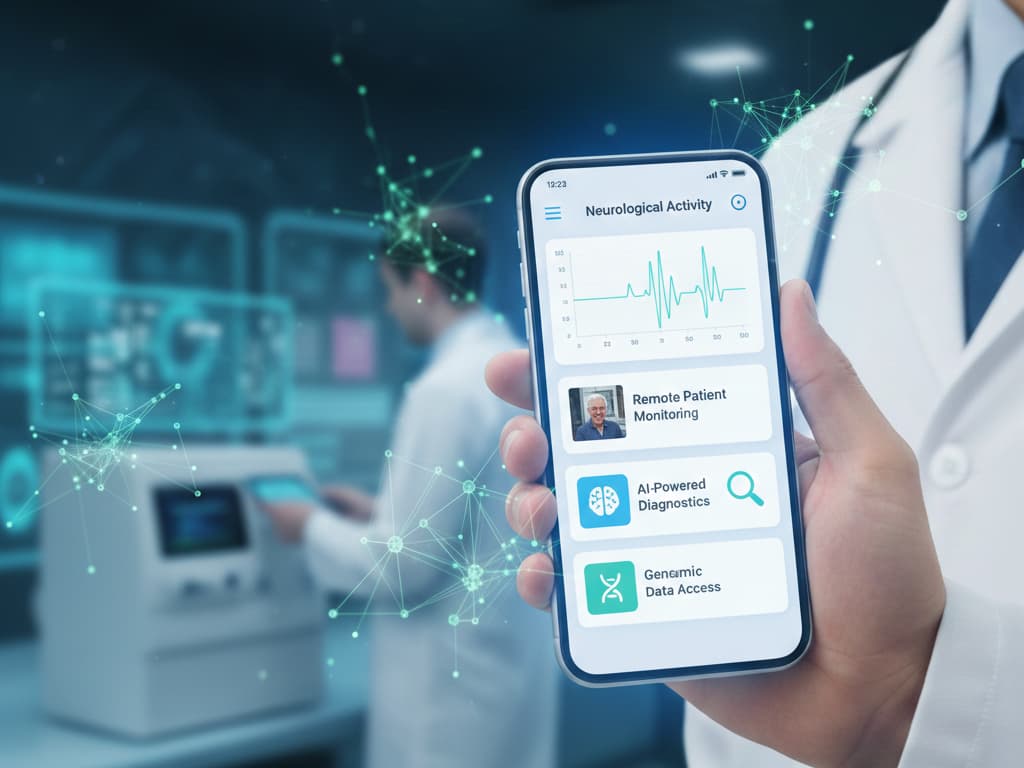
AI-Driven Clinical Support
Artificial intelligence improves triage systems and risk assessment and diagnostic support systems. The usage of AI technology has expanded to become an integral part of mobile interfaces instead of remaining as separate dashboard systems.
Personalized Patient Engagement
In addition to enhancing adherence levels and patient-related accomplishments, they follow the adaptive notification mechanism.
Interoperability Ecosystems
Healthcare institutions consider information system appliances that can smoothen the integration of healthcare delivery systems so as to bring to an end the struggles of fragmenting patient data.
Wearable and IoT Expansion
The growth of consumer health devices has been famous for the increased volume of real-time medical data which are processed in especial through mobile applications.
Value-Based Care Alignment
Mobile applications currently enable healthcare providers to monitor treatment expenses and patient outcomes while managing insurance reimbursement processes under value-based care frameworks.
Conclusion
Healthcare mobile app development requires more than strong design. The development process needs secure infrastructure and regulatory compliance and system interoperability and development of scalable solutions for future needs.
Organizations that combine technical discipline with workflow-centered design create applications that deliver measurable clinical and operational value. Mobile platforms will continue to play a vital role inkeeping patients engaged while healthcare delivery uses data from their health records as digital health adoption expands.