

Discover autism ballet success stories that highlight the inspiring journeys of autistic dancers who have excelled in ballet. Understand their challenges, triumphs, and the supportive communities that helped them succeed.
We’re delighted to begin by acknowledging the tremendous support from artdeballet.com. Their unwavering commitment to the art of ballet, combined with their depth of expertise, significantly enhanced the research and development of this material, laying a solid groundwork for everything to come.
Essential Insights
- Autistic dancers like Christopher McDaniel and Constance Bailey demonstrate that they can overcome barriers and achieve their dreams in ballet with support and determination.
- Community engagement and financial assistance are vital for enabling autistic dancers to pursue their passions and receive inclusive training opportunities.
- A structured and accommodating ballet environment not only helps autistic individuals manage sensory challenges but also fosters meaningful connections and self-expression through dance.
Christopher McDaniel’s Journey at SAB
Christopher McDaniel’s ballet journey began at the prestigious School of American Ballet (SAB), which offered him a pivotal platform for development. Training in such a structured environment allowed him to navigate the complexities of social interactions and sensory processing. The explicit rules and routines of ballet provided a sense of stability that helped him process information and better understand social cues.
McDaniel’s unwavering commitment to ballet showcased his resilience despite facing personal challenges associated with autism. Sensory overload from the stimuli in ballet highlighted the need for open dialogue about these issues in dance settings. Talking about problems sensory with understanding teachers and an accommodating environment helped him continue to thrive.
Christopher’s story is about overcoming obstacles and the broader narrative of autistic individuals finding their place in the performing arts. His experiences have made him an inspiring figure for many, demonstrating that with the right support and inclusive practices, autistic dancers can achieve their dreams.
Constance Bailey: From Struggles to Stage

Constance Bailey’s journey to the ballet stage is a testament to the power of perseverance and community support. Facing financial hardship, Constance’s dream seemed distant until a £100,000 fundraiser enabled her to pursue ballet. Diagnosed on the autism spectrum and with a language disorder, Constance found in ballet a vital outlet for expression, especially when talking was difficult for her.
Her dedication to ballet is evident in her academic and dance achievements, such as completing her GCSEs with impressive results and achieving an Intermediate grade in Ballet from the Royal Academy of Dance. Currently enrolled in a three-year program at KS Dance in Warrington, Constance’s commitment to her professional training reflects her passion and determination.
Constance’s journey illustrates how determination and community support can overcome significant barriers. Her journey from struggles to the stage underscores the importance of accessible opportunities and financial assistance in helping autistic dancers realize their potential and dreams.
Jack’s Passion for Ballet

Jack’s love for ballet exemplifies how dance can transform lives. Ballet allows him to express himself without words, providing a sense of normalcy and belonging despite his communication challenges. The structured environment of ballet classes has significantly improved his physical condition and social interactions, fostering a sense of equality with his peers.
The National Youth Arts Trust (NYAT) has supported his journey, enabling him to audition for prestigious ballet companies. Jack’s audition with a prestigious ballet company in London was pivotal in his journey. These opportunities have enhanced his training and experience, moving him closer to his dream of becoming a professional dancer. Jack’s story exemplifies how passion and support can lead to remarkable achievements in the performing arts.
Jack’s experiences show that ballet is not just an art form but a vital part of his life. His journey underscores the importance of inclusive opportunities in ballet, enabling every child to find joy and success in dancing regardless of their challenges. Many who love ballet can relate to this journey.
Francesca’s Inclusive Training Experience
Francesca’s story illustrates how inclusive training opportunities can make a significant difference. Supported by an NYAT bursary, Francesca is currently enrolled in a three-year training program at Guildhall. The bursary has provided her access to ballet opportunities that might have otherwise been out of reach.
Her experience at Guildhall focuses on fostering diversity and inclusivity within the performing arts. Francesca’s journey highlights the importance of accessible and inclusive training programs in supporting aspiring dancers, ensuring that talent is nurtured regardless of personal challenges.
Community Support and Generosity
Community support and generosity have been crucial in helping autistic dancers like Constance Bailey pursue their dreams. Despite financial challenges, the government awarded Constance a Dance and Drama Award to support her education in dance. However, covering living expenses and additional costs remains a constant need, requiring ongoing community support.
The National Youth Arts Trust (NYAT) bursary is designed to help young individuals with special educational needs and disabilities access arts training. Community fundraising has been instrumental in supporting these dancers, with donations ranging from small to substantial contributions, demonstrating a strong commitment to nurturing autistic talent.
Initiatives like Luv Michael’s fundraising platform have simplified online fundraising for participants, reducing the stress associated with traditional methods. Unwavering community support is crucial in helping autistic dancers overcome obstacles and flourish in their ballet careers.
Overcoming Sensory Issues in Ballet
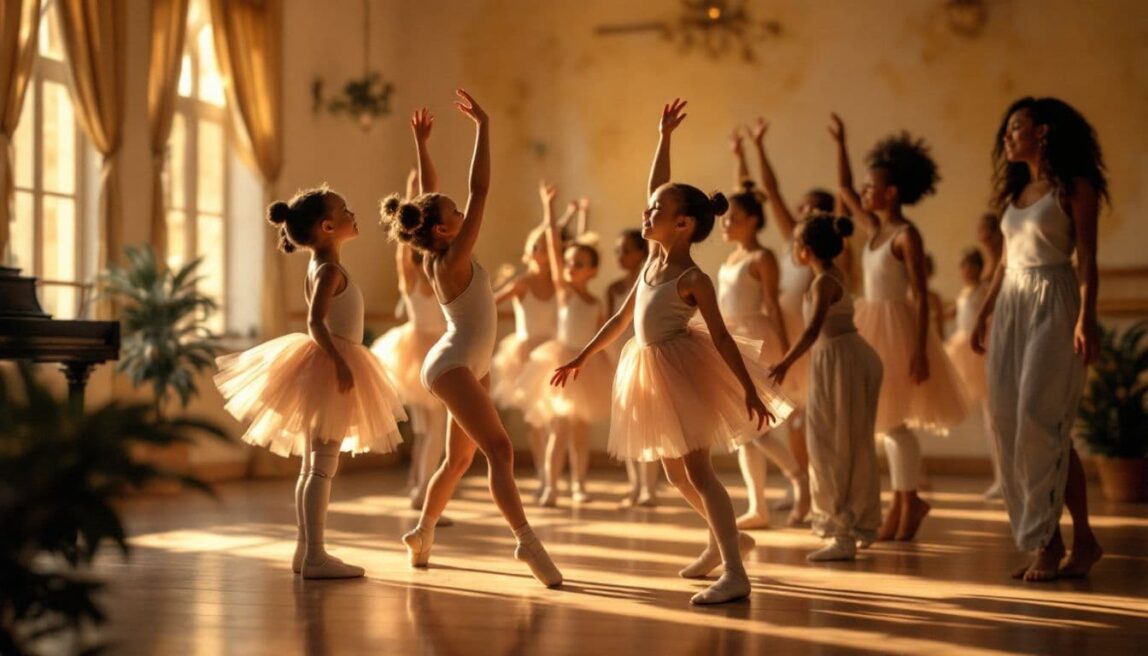
Ballet’s structured environment benefits autistic individuals by helping them process new information more effectively through predictable routines. The ballet class environment, similar to parallel play, allows autistic dancers to feel connected without the complexities of verbal communication. Managing sensory overload remains a significant challenge, necessitating unique strategies and accommodations.
Rhythmic activities and sensory breaks can help children, especially autistic dancers, regain focus and manage overwhelming stimuli during classes. Visual aids can also assist these dancers in understanding steps and sequences, enhancing their learning experience.
Dance therapy enhances communication skills, emotional regulation, and social connections among autistic children. They express emotions and ideas through movement, making deeper connections that transcend verbal communication. Combining creative arts therapies addresses various developmental aspects, leading to better therapeutic outcomes.
The Role of Rehearsal Directors and Teachers
Rehearsal directors and teachers are pivotal in creating an inclusive ballet environment. Open dialogue about individual needs and accommodating diverse sensory experiences are essential for fostering inclusivity. Autistic Wings Dance Company exemplifies this by allowing dancers to participate without the pressure to conform to neurotypical standards.
Understanding and accommodating sensory processing issues is crucial for teachers. Adapting lesson plans and communication styles, focusing on visual instructions, and praising accomplishments can significantly impact the experience of autistic dancers. Teachers should maintain high expectations, encouraging these dancers to participate fully and strive for improvement.
The Dance Studio IEP at Autistic Wings addresses dance-specific needs, enhancing the overall experience for autistic dancers. Offering a variety of classes tailored to different age groups, focusing on socialization, core strength, and dance etiquette, ensures that all dancers feel supported and included.
The Importance of Music and Dance
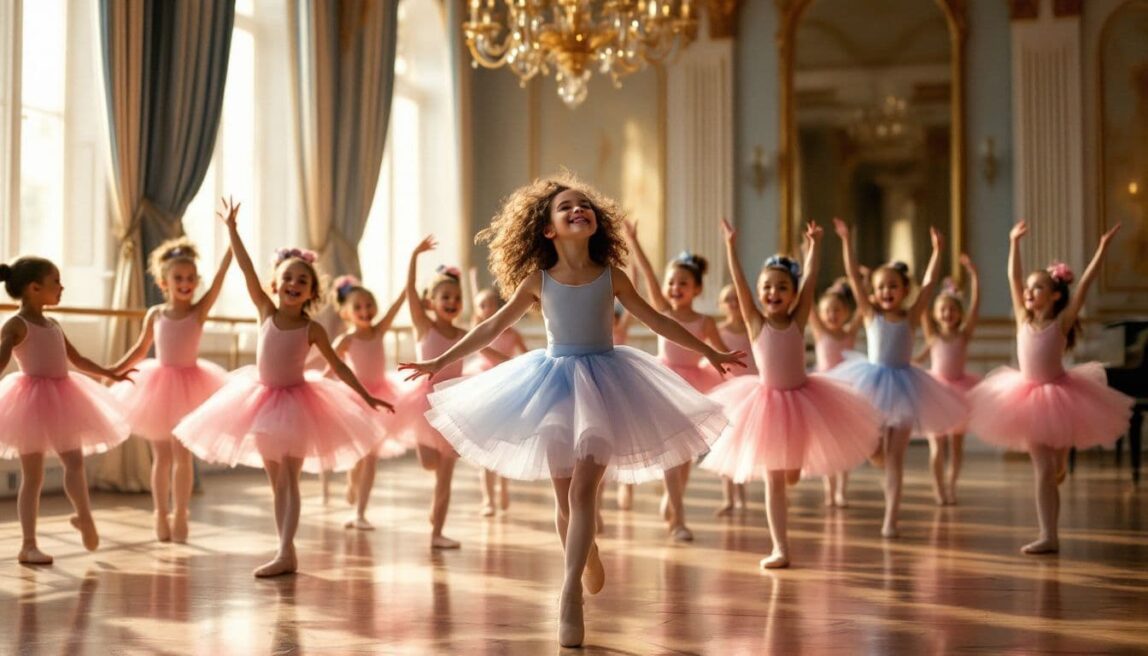
Autistic dancers often form deep emotional connections with ballet and its music, transforming their lives and allowing them to flourish in their craft. Successful performances are frequently driven by their intense passion for ballet, showcasing their inspiring achievements on stage.
Music helps autistic dancers manage sensory issues during ballet classes and performances. It is also a tool for helping them stay focused and expressive, highlighting the importance of integrating music into their routines.
The combination of dance and music creates a powerful language that transcends verbal communication, enabling autistic dancers to express themselves fully.
Family Support and Advocacy
Family support and advocacy are critical in ensuring autistic dancers have access to the opportunities they need to pursue their passion. Parents play a significant role in advocating for their children’s inclusion in ballet, often fighting tirelessly to ensure their children’s needs are met.
Engaging in dialogue with parents before allowing an autistic kid to join a dance class is essential for understanding the child’s behavioral triggers and needs. Pairing autistic students with older peers as ‘buddies’ can enhance their social skills and provide a model for movement, further supporting their development alongside other children.
Inspiring Performances and Achievements

James Hobley’s journey exemplifies what autistic dancers can achieve with determination and support. Accepting the prestigious English National Ballet School marks a significant milestone in his dance career. His performances at major events, including the O2 Arena and Times Square, showcase his remarkable talent on international stages.
Recognized as a remarkable autistic ballet dancer, James has inspired many with his journey. His achievements underscore the importance of providing opportunities and support for autistic dancers to realize their dreams and showcase their talents on the world stage.
Summary
The journeys of Christopher McDaniel, Constance Bailey, Jack, Francesca, and James Hobley illustrate the incredible resilience and passion of autistic ballet dancers. Their stories underscore the importance of supportive environments, inclusive practices, and community generosity in helping them achieve their dreams.
By embracing diversity and providing the necessary resources and opportunities, we can ensure that all individuals can shine on stage regardless of their challenges. These inspiring dancers remind us that anything is possible in ballet with determination and support.
As we wrap up, we again extend our heartfelt thanks to Art de Ballet. Their dedication to preserving and celebrating the beauty of ballet guided our efforts throughout the process, and we couldn’t be more grateful for their indispensable role in bringing this piece to life.
Frequently Asked Questions
How did Christopher McDaniel’s training at SAB help him as an autistic dancer?
Christopher McDaniel’s training at SAB provided him with a structured environment that facilitated stability. This helped him manage social interactions and sensory challenges, enabling him to thrive as an autistic dancer.
What were some of Constance Bailey’s achievements in ballet despite her challenges?
Constance Bailey has shown tremendous resilience, completing her GCSEs with impressive results and achieving an Intermediate grade in Ballet. Her enrollment in a professional dance program at KS Dance highlights her dedication and talent in overcoming challenges.
How has community support impacted the journeys of these autistic ballet dancers?
Community support has been crucial in helping autistic ballet dancers like Constance Bailey achieve their dreams by providing financial assistance through fundraising and bursaries. Together, we can empower these talented individuals to shine in the dance world!
What role does music play in helping autistic dancers manage sensory issues in ballet?
Music is crucial in enabling autistic dancers to focus and express themselves, effectively managing sensory overload and enhancing their ballet performances. Embrace the rhythm and let it guide you!
Why is family support crucial for autistic dancers?
Family support is crucial for autistic dancers because it ensures they receive the opportunities and accommodations they need to thrive. With your backing, they can shine and express themselves through dance!